Indrotuction
From ancient civilizations to modern households, cats and dogs have maintained a remarkable presence in human life. They did not simply appear in homes by chance; they evolved alongside humans, shaping societies and forming bonds that continue to define the human-animal relationship. Among thousands of animal species, these two companions dominate hearts, homes, and history. But who are they really? What makes them unique? And why do humans choose them over countless other species?
This article explores the evolution, behavior, historical significance, symbolism, breeds, and emotional value of cats and dogs. It covers distinct yet complementary topics to provide a complete understanding of why these animals remain humanity’s most beloved companions.

Evolutionary Identity: Who Are Cats And Dogs?
Origins And Early Distinctions
Dogs descend from wolves, tracing back tens of thousands of years. Their early traits—social cooperation, pack structure, alertness, and adaptability- allowed them to integrate into human communities. Humans recognized these traits and encouraged them to live alongside them, providing mutual benefits in hunting, guarding, and companionship.
Cats come from wild felines that thrived independently. Their earliest human interactions occurred in agrarian societies, where they hunted rodents that threatened stored crops. Unlike dogs, cats maintained more solitary habits, yet their effectiveness in controlling pests led humans to tolerate and eventually welcome them as companions.
Behavioral Traits Today
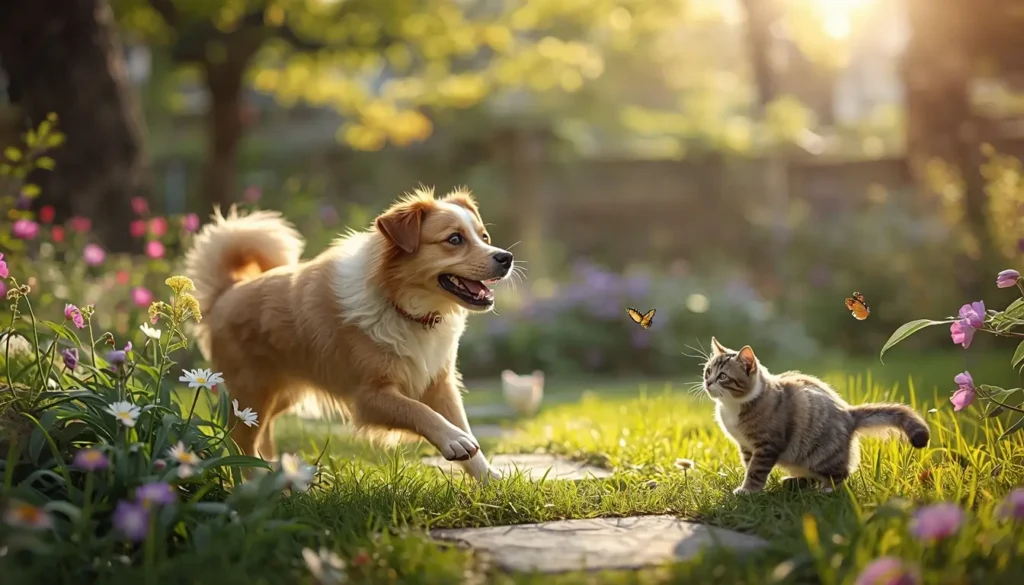
Dogs exhibit social behavior, emotional expressiveness, and loyalty. They respond to voice, tone, and gestures, making them highly interactive companions. Cats, by contrast, rely on precision, instinct, and independence. They communicate subtly, observing human cues before engaging, creating a quiet but meaningful connection.
These distinct traits appeal to different personalities. For example, extroverted owners may prefer a dog’s energetic interaction, while introverted individuals may value a cat’s calm presence.
Ancient History And Human Partnership
The Dog In Early Civilizations
They appear in human history as far back as the Stone Age. They guarded camps, assisted in hunting, and became spiritual symbols in many cultures. Egyptian, Mesopotamian, and Chinese civilizations portrayed them in art, mythology, and burial practices, reflecting respect and reverence. They were companions in life and symbols in death, representing loyalty and protection.
The Cat In Ancient Kingdoms
They were first revered in ancient Egypt, where they symbolized fertility, grace, and protection. They guarded granaries from rodents, ensuring food security, which was vital to societal survival. Over time, they became a sacred figure, associated with divine balance and intuition. Other civilizations, including Japan and Rome, also recognized these for their mysterious presence and practical value.
Shared Historical Influence
Both species contributed to:
- Agriculture and food preservation
- Protection and security
- Social and spiritual life
- Mythology and cultural symbolism
Their influence shaped early human societies, illustrating why they became enduring companions.
Why Humans Prefer Them Over Other Animals
Emotional Connection And Communication
They excel at understanding human signals. They respond to facial expressions, gestures, and vocal tone, creating a sense of partnership. Unlike most animals, they adapt emotionally to human moods, providing comfort during stress and companionship during solitude.
Adaptability To Human Environments
Humans provided selective pressure over millennia. Dogs evolved as cooperative partners, able to work in varied roles, from herding to guarding. Cats retained their independent hunting traits while tolerating proximity to humans. Both species thrive in homes, farms, and urban apartments, making them accessible for most households.
Find More About Human:https://sasokay.com/the-human-mystery-are-we-alone/ & https://sasokay.com/human-roles-evolution-8-powerful-truths/
Practical And Emotional Roles
Dogs provide protection, service, and emotional support. They guide visually impaired individuals, assist police and military operations, and serve as therapy animals. Cats offer low-maintenance companionship, stress reduction, and natural pest control. Their combined emotional and practical benefits make them unmatched as domestic companions.
Understanding Their Place In Modern Life
Unique Traits That Set Them Apart
Dogs display social commitment, loyalty, and strong protective instincts. They are highly trainable and thrive in structured interaction. Cats show self-reliance, refined instincts, and calm companionship. They require less supervision while maintaining strong emotional bonds.
Shared Qualities That Make Them Irreplaceable
Both animals contribute to emotional well-being, fit household environments, and possess symbolic significance. Their presence fosters routine, empathy, and consistent companionship. These qualities explain why they dominate pet choices worldwide.
Cultural Symbols And Meaning Across Civilizations
Dogs As Symbols
They have long represented courage, guidance, loyalty, and protection. Ancient myths often cast them as guardians of thresholds and loyal companions of gods or humans. Many cultures viewed dogs as spiritual guides, able to sense danger or act as protectors in both life and death.
Cats As Symbols
They symbolize wisdom, independence, balance, and mystery. Ancient Egyptians believed they brought harmony and divine protection to homes. Other societies associated cats with luck, intuition, and the unseen spiritual world.
Shared Spiritual Roles
Both species reflect aspects of human values. Dogs embody loyalty and courage, while they represent balance and perceptive insight. Their symbolic significance contributes to their enduring status as human companions.
Popular Breeds And Their Distinctive Histories
Dog Breeds With Ancient Lineage And Modern Roles
- Spitz breeds evolved for endurance in harsh climates
- Herding breeds developed intelligence and cooperative instincts
- Hound breeds specialized in tracking and hunting
- Guarding breeds are refined for protection and vigilance
Cat Breeds With Deep Cultural Roots
- Shorthair breeds connected to early Egyptian and Mediterranean communities
- Long-haired breeds are adapted to colder regions
- Oriental breeds developed for social interaction and elegance
- Natural breeds evolved with minimal human interference
Each breed reflects its environment, culture, and historical purpose. Breed selection continues to influence companionship based on lifestyle, temperament, and human preference.
Why Humanity Loves Them Most
Safety And Trust
Humans favor predictable behavior in companions. Both provide consistency, familiarity, and emotional reassurance. Their behavior fosters a sense of security, which is especially valuable in family and domestic settings.
Shared Rhythms And Routine
Both species integrate with human daily life. Dogs accompany owners on walks, respond to social cues, and follow routines. Cats align their activity with household patterns, offering companionship without imposing strict demands. This rhythm strengthens the human-animal bond.
Expression And Presence
Dogs communicate actively, showing excitement, affection, and alertness. Cats communicate subtly, offering quiet presence and gentle companionship. These complementary modes of expression meet diverse human needs for interaction and comfort.
Who Is The Best Companion?
The answer depends on human preference.
When A Dog May Be The Best Choice
- Desire for active, interactive companionship
- Need for loyalty, teamwork, or protection
- Preference for trainable, energetic pets
When A Cat May Be The Best Choice
- Desire for calm, low-maintenance companionship
- Appreciation for independent household partners
- Preference for quiet and serene interaction
Most households worldwide choose dogs for their versatile emotional engagement, but cats dominate in urban settings where independence and space efficiency are valuable.
Frequently Asked Questions
1. Why Did Humans First Choose them As Companions?
Dogs provided protection and hunting aid, while cats protected food supplies from rodents, making both invaluable in early societies.
2. What Makes Them So Emotionally Supportive?
They respond to human emotional cues, provide consistent companionship, and reduce stress, supporting mental well-being.
3. Are Cats More Independent Than Dogs?
Yes, cats maintain self-guided routines, but they still form strong emotional bonds with humans.
4. Which Species Has More Breeds?
Dogs have more recognized breeds due to selective breeding for specific roles across centuries.
5. Are they Symbolically Important?
Both animals hold symbolic roles, representing loyalty, wisdom, protection, and balance across cultures and history.
Conclusion
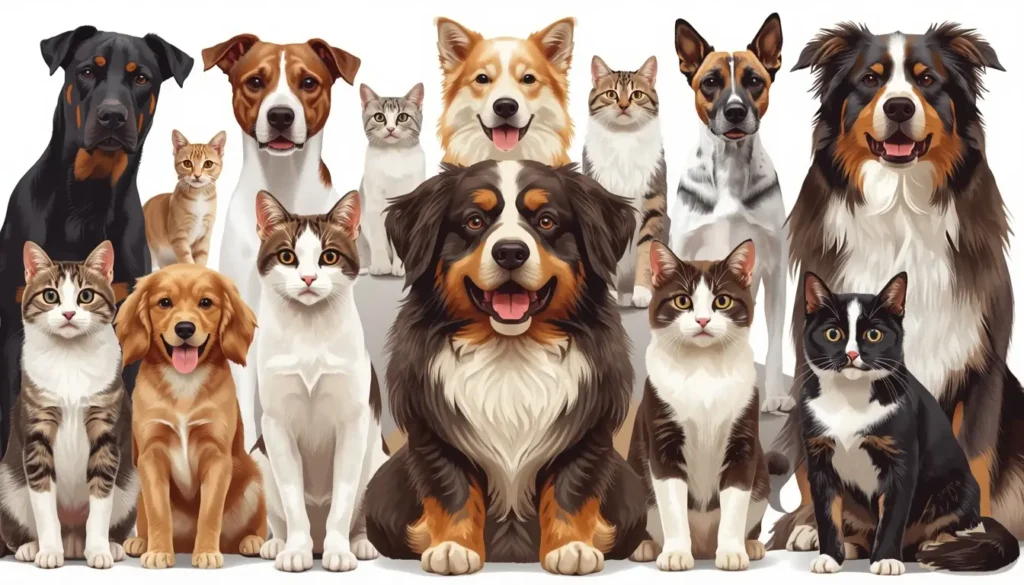
From ancient hunting grounds to modern urban homes, they have remained human companions for millennia. Their evolutionary traits, emotional roles, cultural significance, and practical utility solidify their unique position in human life. Whether one seeks the loyal, energetic companionship of a dog or the quiet, refined presence of a cat, both species enrich lives profoundly.
Their story mirrors human history itself, reflecting our need for connection, care, and companionship. As long as humans value emotional bonds and domestic harmony, they will continue to occupy a cherished place in our hearts and homes.
The bond between humans and their feline and canine companions goes far beyond simple cohabitation. They have been silent witnesses to our joys, struggles, and milestones for thousands of years. Their loyalty, intelligence, and empathy allow them to become true partners in our daily lives, offering companionship that few other species can match. They teach us lessons about patience, unconditional love, and emotional resilience, showing that connection transcends words.
Moreover, the cultural, historical, and symbolic roles they demonstrate their a unique impact on human civilization. Dogs exemplify courage, loyalty, and teamwork, while cats symbolize balance, intuition, and independence. This duality provides humans with a spectrum of emotional and practical benefits, whether we seek energy, protection, or quiet, reflective companionship.
Their adaptability and emotional intelligence ensure they continue to thrive in modern households, urban apartments, and rural settings alike. They provide a sense of purpose, routine, and stability, enriching our lives in tangible and intangible ways. Beyond their practical roles, the presence of nature. nurtures our mental health, reduces stress, and creates lasting memories filled with joy, laughter, and comfort.
Ultimately, the enduring connection with them is a reminder of our shared journey through history. They are not just pets—they are friends, teachers, and family members. As humanity continues to evolve, the love for these companions remains timeless, uniting generations through loyalty, trust, and affection. Their presence is a testament to the profound bond that exists between humans and the animal world, a bond that continues to captivate hearts worldwide.
Find and Research More :
- Humane Society of the United States – Educational resources on pet adoption, behavior, and carehttps://www.humanesociety.org/
- National Geographic Pets Section – Educational and interesting articles on animals and their relationship with humans.https://www.nationalgeographic.com/animals
Any Suggestions, Feedback, or Information, Please: Contact Us