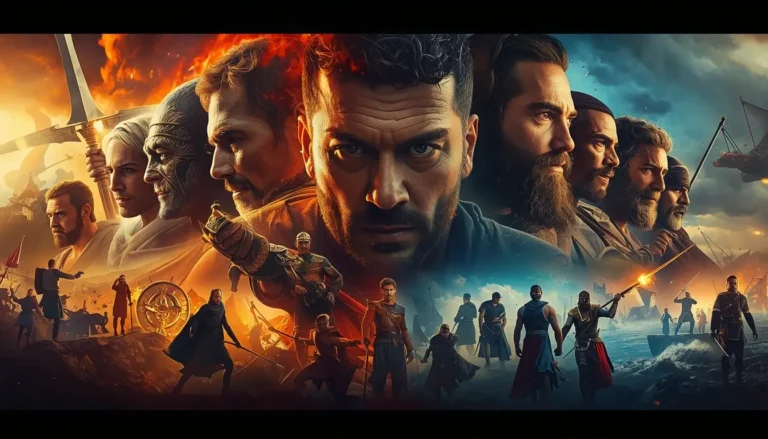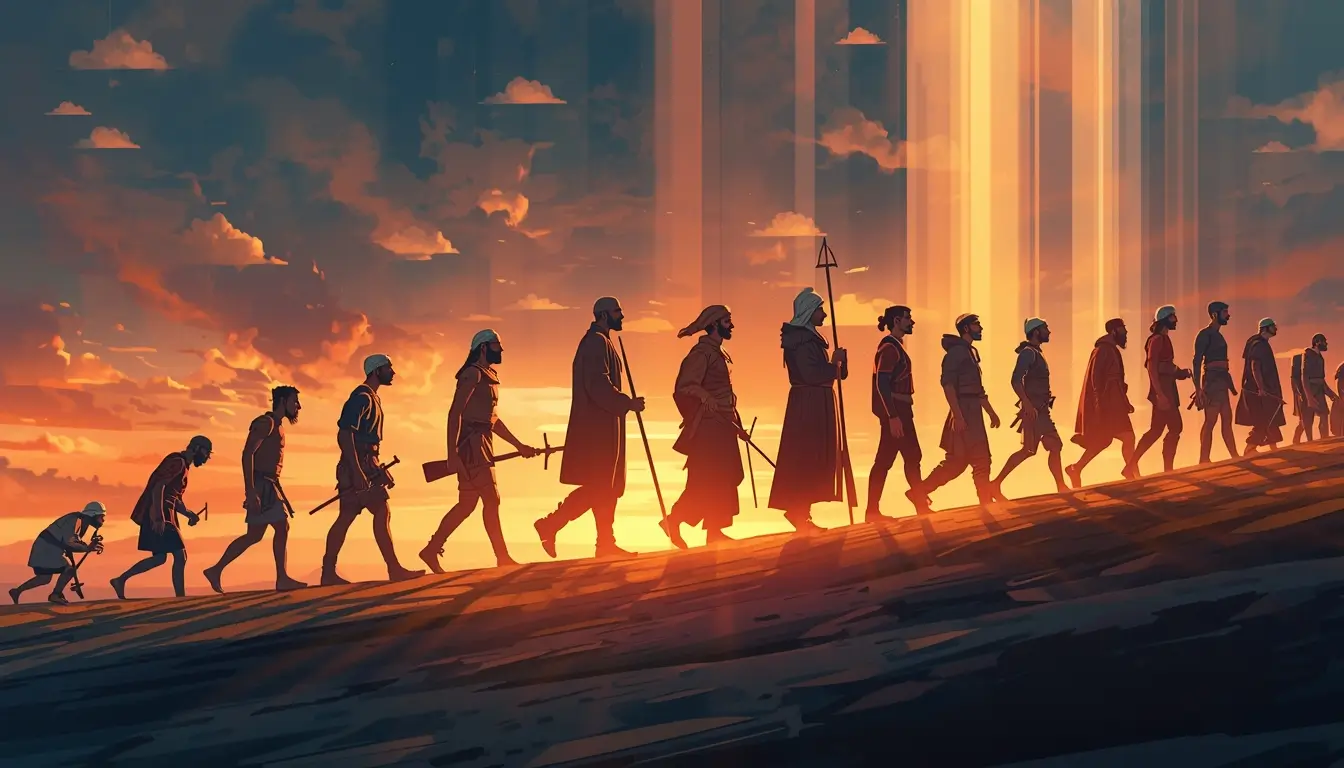
Humans have always asked profound questions about origins, purpose, and societal Human roles. Who shaped early communities? How did leadership evolve? Are certain individuals naturally more capable than others? Such inquiries can seem complicated, especially when tradition, myths, and outdated assumptions cloud understanding.
Humans Evolved Together, Not Sequentially
Scientific discoveries prove that they did not appear in a strict sequence. Both groups developed simultaneously over millennia. Fossils, DNA analysis, and archaeological evidence reveal a pattern of shared evolution where every individual’s contribution mattered.
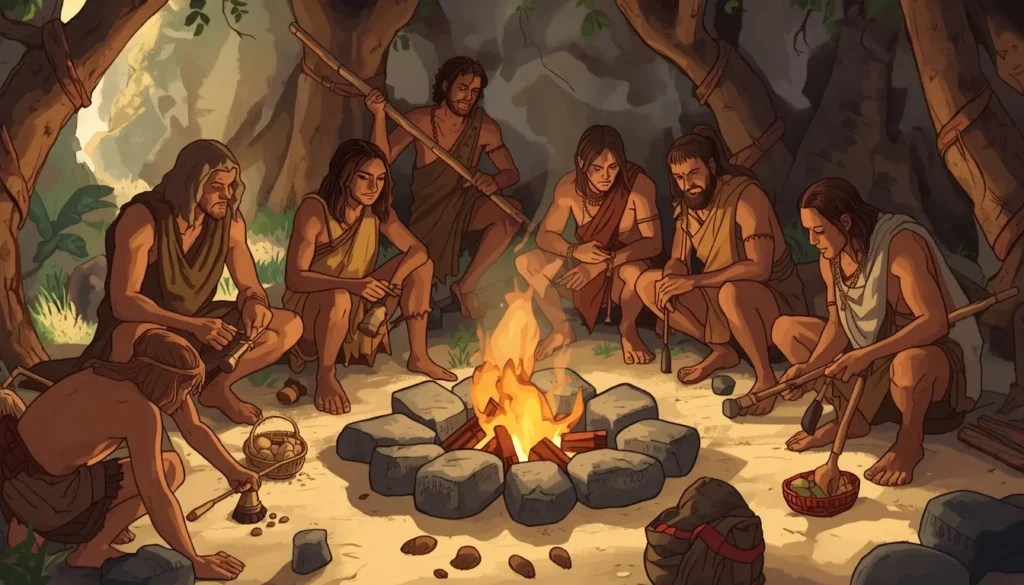
Early communities depended on teamwork. Tasks such as hunting, gathering, crafting tools, raising young, and protecting territory were distributed based on ability, environment, and need. Cooperation, not dominance, ensured survival.
Example: In ancient river valley civilizations, survival required both strategy and labor. One group often took on physically demanding tasks, while the other innovated farming methods, crafted utensils, and maintained shelters. Both contributions were indispensable.
Leadership Emerged from Environment, Not Superiority
Many historical accounts emphasize rulers and warriors, giving the impression that one category was naturally dominant. In truth, authority often depended on situational factors: access to resources, social organization, and environmental challenges.
For instance, in the Indus Valley civilization, administrative structures depended on resource distribution and community coordination. Leadership was flexible and situational. Power alone did not guarantee survival; collective effort determined the community’s endurance.
Example: In ancient Greece, city-states like Athens relied on collaborative councils where multiple perspectives guided decision-making. Success required balance, negotiation, and shared responsibility.
Cultural Myths Misrepresent Human Potential
Across centuries, myths and stories suggested one group possessed superior abilities. These beliefs often reflected societal norms and limited understanding rather than biological facts.
Modern studies prove that intelligence, creativity, and leadership potential are equally distributed across all humans. Individual capability depends on experience, education, and opportunity, not inherited status
Dependency Was Mutual, Not One-Sided
Humans are interdependent by nature. While some historical accounts emphasized authority in one group, survival relied on collaboration from all members. Emotional support, knowledge transmission, and skill development were essential for every community.
Example: In medieval Europe, blacksmiths, farmers, healers, and teachers all contributed in unique ways. One person’s strength did not overshadow the value of others; instead, their combined efforts created stability.
Evolution Shaped Skills and Cultural Contributions
development involved both biological and cultural evolution. Every community member contributed to cognitive growth, technological innovation, and artistic expression.
Key areas of contribution:
- Tool invention and technological advancement
- Communication systems and teaching methods
- Cultural practices such as music, storytelling, and ritual ceremonies
- Agriculture, architecture, and urban planning
Example: Ancient Egypt’s achievements in construction and mathematics required collective input. Builders, planners, and knowledge-keepers all collaborated, illustrating shared genius.
History Highlights Authority but Ignores the Foundation
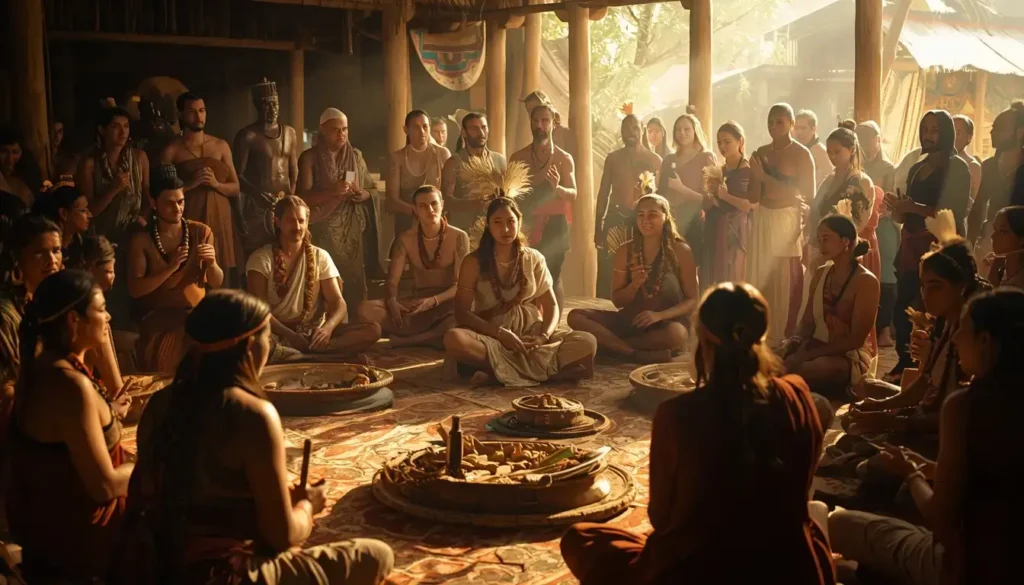
Records often focus on rulers, generals, and prominent figures. This creates a distorted picture where authority appears as the sole measure of importance.
In reality, everyday efforts—raising families, maintaining health, teaching, and sustaining economies—were crucial for societal survival.
Example: While pyramids and temples celebrated rulers, thousands of skilled individuals contributed to construction, agriculture, and administration. Without them, civilization could not have progressed.
Religion Reflected Culture, Not Absolute Rules
Many spiritual leaders recorded in history were from one group. This pattern was influenced by social norms, literacy, and cultural restrictions rather than divine decree with combined withe the humen role.
Example: Archaeological evidence from ancient Mesopotamia shows priestesses performing sacred rituals alongside male counterparts, highlighting shared spiritual responsibility.
Modern religious perspectives increasingly acknowledge the equal potential of all individuals, emphasizing compassion, wisdom, and collective growth.
Modern Insights Confirm Equality and Shared Potential
Today, individuals from all backgrounds lead nations, innovate in science, and explore uncharted territories. Achievement no longer relies on historical bias but on merit, opportunity, and skill.
Key lessons from modern society:
- Emotional intelligence is as valuable as physical strength
- Creativity drives progress across professions
- Leadership is situational, requiring collaboration
- Education unlocks hidden potential
Example: Global technology, medicine, and art industries demonstrate that success stems from diverse collaboration rather than dominance.
Read and Find More About the Human :https://sasokay.com/the-human-mystery-are-we-alone/
Additional Historical Perspectives and Stories
Ancient Communities and Cooperation
In early settlements like the Nile Valley and Indus Valley, roles were fluid. One person might hunt in the morning, teach in the afternoon, and help build infrastructure by evening. Success relied on adaptability and shared responsibilities.
Medieval Innovations
Even during feudal periods, progress depended on collective input. Blacksmiths, farmers, scholars, and artisans ensured survival and innovation. Social hierarchies highlighted authority but could not replace essential contributions.
Modern Leadership Dynamics
Today, successful societies blend authority with inclusion. Nations that foster equal opportunity, promote diverse leadership, and encourage creativity consistently achieve better growth.
FAQ Section
Did humans appear in a particular sequence?
No. Scientific evidence shows simultaneous evolution. Both groups contributed equally to survival and development
Is one group naturally smarter or stronger?
No. Capabilities vary individually and are not determined by historical roles or biological differences.
Why did past societies favor one group in leadership?
Leadership was shaped by cultural norms, inheritance systems, and situational needs, not innate superiority.
Are individuals dependent on a particular group?
Humans thrive through interdependence. Collaboration in communities ensured survival, stability, and growth.
Do religious texts favor one group?
Many texts emphasize unity, harmony, and shared responsibility. Historical documentation often reflects social norms.
How can modern communities achieve balance?
Promote education, equal opportunity, shared responsibilities, and inclusive leadership to foster fairness and progress.
Did humans evolve in sequence or together?
Scientific evidence confirms that evolution occurred simultaneously, with both groups contributing equally to survival and knowledge.
Is one group naturally superior?
No. Intelligence, creativity, leadership, and emotional skills are individual traits, not determined by historical roles.
Why did some societies historically favor one group?
Cultural norms, inheritance patterns, and environmental challenges shaped leadership and the roles of visible authority.
Are humans dependent on a specific group?
Interdependence is universal. Survival, innovation, and social cohesion require collaboration across all members.
Do religious or cultural texts favor one group?
Historical documentation reflected societal norms. Modern interpretations increasingly emphasize equality, compassion, and shared responsibility.
How can modern societies ensure fairness?
Education, opportunity, shared responsibilities, and recognition of contributions create thriving communities.
Building a Future of Equality and Cooperation
Humanity evolves through collaboration, not competition. Recognizing every individual’s contribution creates stronger communities, happier societies, and more innovation.
Early Societies Thrived on Cooperation, Not Competition
One of the most powerful truths of human history is that survival depended on collaboration. Communities did not rely on a single individual to lead or provide. Each member’s contribution was essential.
Example: In Paleolithic societies, hunting groups needed planners, trackers, and toolmakers. Those who gathered plant foods also ensured nutritional balance. Without teamwork, the entire group faced disaster.
Education and Knowledge Were Shared Responsibilities
Before formal schools, knowledge was passed through storytelling, apprenticeship, and observation. Every individual could become a teacher or learner.
Example: In ancient China, agricultural techniques, medical practices, and craft skills were transmitted from person to person, ensuring the community thrived across generations.
Hidden Contributors Shaped History
While rulers and warriors dominate history books, everyday contributors—craftspeople, healers, artisans, and educators—were equally influential. Their work sustained life, culture, and societal stability.
Example: During the building of the Great Wall of China, countless laborers, planners, and engineers contributed. Each played a role in creating one of humanity’s greatest achievements. Leadership was visible, but the foundation came from collective effort.
Gender Roles Were Fluid and Contextual
Across different eras and regions, responsibilities were often assigned based on circumstance, not innate ability. Physical strength, cognitive skill, creativity, and emotional intelligence all played roles in determining who handled specific tasks.
Example: In Polynesian societies, men often navigated oceans, but women innovated farming techniques, maintained water systems, and organized social events. Both contributions were vital to societal success.
Technological Advancements Require Collective Ingenuity
Human progress depended on collaboration, experimentation, and problem-solving. Early inventions—from the wheel to irrigation—required shared creativity and practical skills.
Example: Mesopotamian farmers developed irrigation methods through trial and collective discussion. Builders used geometry to construct canals and levees, blending innovation with coordination
Spiritual and Cultural Leadership Was Shared
Religious and cultural life often required collaboration. While formal titles might have been held by one group, rituals, festivals, healing practices, and education depended on participation from multiple contributors.
Example: In ancient Egypt, priestesses managed temples, guided rituals, and preserved sacred knowledge alongside male priests. Similarly, in African kingdoms, elders from various groups guided communities, blending wisdom with practical governance.
Modern Evidence Supports Equality and Inclusion
Today, studies confirm that intelligence, creativity, leadership, and emotional resilience are evenly distributed. Opportunities, education, and social support determine success more than historical roles ever did.
Example: Women lead countries, innovate in technology, and direct research projects. Men contribute to education, healthcare, and domestic spheres. Success is a result of collaboration, opportunity, and dedication.

Psychological Strengths Are Diverse and Complementary
Different experiences and perspectives foster psychological resilience and creativity. Communities thrive when they embrace diverse approaches to problem-solving, emotional intelligence, and communication.
Example: In scientific teams, research breakthroughs often occur when members combine analytical thinking, intuition, and creativity. Historical misrepresentation of abilities has masked this reality.
Economic Development Relied on Inclusion
From trade to agriculture, societies prospered when all capable members participated. Excluding contributors based on arbitrary criteria hindered progress.
Example: Medieval European guilds allowed both men and women to train in crafts, ensuring skilled labor and economic stability. Communities that embraced diverse participation produced higher-quality goods and sustainable economies.
Find more about the Money :https://sasokay.com/money-vs-power-which-rules/
Stories and Arts Preserved Shared Knowledge
Music, dance, storytelling, and visual arts allowed communities to communicate, preserve knowledge, and reinforce shared values. Cultural evolution depended on contributions from all members.
Example: Indigenous tribes in North America passed ecological knowledge, survival skills, and social norms through songs and stories, ensuring future generations could thrive.
Health and Medicine Thrived on Shared Wisdom
Early medicine relied on observation, trial-and-error, and knowledge passed across generations. Healers, herbalists, midwives, and caretakers contributed equally to societal well-being.
Example: In ancient India, Ayurveda practitioners included male and female experts who treated illness, trained apprentices, and maintained health libraries. Their collaboration saved countless lives.
Modern Societies Succeed Through Collaboration
The lessons of history apply today. Countries and communities achieve stability, innovation, and prosperity by valuing collaboration, diversity, and opportunity. Leadership is now less about domination and more about coordination, vision, and empathy.
Example: Space programs, global research initiatives, and multinational corporations rely on diverse teams to tackle complex challenges. Success is a product of collective insight, not a single person’s dominance.
Conclusion
Education and Awareness Are the Path Forward
Teaching the truth about human roles and contributions empowers communities. Understanding history, biology, and social evolution fosters respect, equality, and empathy.
The evolution of human roles shows a clear truth: societies progress when all members contribute, innovate, and collaborate. Dominance is an illusion; cooperation is reality. By valuing each contribution, embracing equality, and fostering opportunity, communities can achieve unstoppable growth, resilience, and creativity.
Find More
Human Evolution Overview
scientific explanation of early human development:https://www.nationalgeographic.com/science/article/human-evolution
Origins of Ancient Civilizations
research on cooperation in human societies:https://www.scientificamerican.com/article/how-cooperation-evolved/
Any Suggestions, Feedback, or Information, Please:Contact Us