Table of Contents
Introduction
Across human history, gods have never existed in isolation from society. They walked, fought, loved, judged, and guided people in stories that shaped moral values and cultural identity. Women, power, faith, and desire appear repeatedly in these narratives. When women seek power, mythology often places them at a crossroads. between divine support and human temptation, between faith and lust, between ambition and sacrifice.
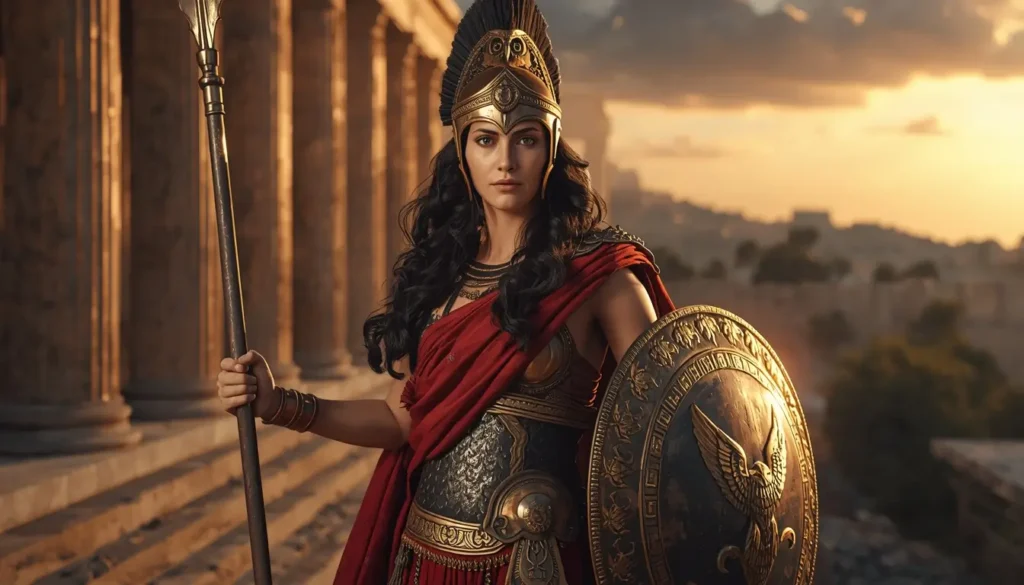
Ancient civilizations believed gods lived among humans. In those eras, divine presence felt immediate and personal. In contrast, the modern world speaks of Eternal one who remain distant, silent, and unseen. This shift raises an important question: how did gods, women, and human desire interact in the past, and how do those beliefs still influence real life today.
By examining European and Asian mythologies, Zeus, Athena, Hera, Vishnu, Shiva, and powerful goddesses. We can understand how divine stories shaped women’s willpower, ambition, and moral responsibility. This article explores that connection in a clear, structured, and culturally balanced way.
The Divine Relationship Between God and Women
Almighty as Protectors of Women
In many mythologies, They stand as protectors of women. Faith often presents the divine as a force that supports women during hardship, injustice, or oppression. Ancient stories frequently show gods intervening when women suffer betrayal or cruelty.
For example:
- Greek mythology portrays Athena as a goddess of wisdom, courage, and strategy, independent of male dominance.
- Hindu mythology presents Durga and Kali as protectors who rise when evil threatens balance.
These stories communicate one central idea: divine power does not reject women. Instead, it empowers them when faith aligns with purpose.
Women Seeking Power Through Faith
When women seek power in mythology, they rarely do so through chaos. They seek knowledge, justice, or restoration of balance. Gods often respond positively to this form of ambition.
Power gained through faith differs from power driven by ego. Faith-based power:
- Strengthens moral discipline
- Encourages responsibility
- Encourages responsibility
This distinction appears consistently across cultures, making it a universal theme rather than a regional belief.
Lust, Desire, And Human Weakness In Divine Stories
Lust, Desire, And Human Weakness In Divine Stories
Lust appears frequently in mythology, but it rarely represents divine perfection. Instead, it symbolizes human weakness. Even gods who display desire often face consequences.
Zeus, the king of Greek Creators, represents this contradiction. His power stands unmatched, yet his lust leads to conflict, jealousy, and suffering. Hera’s anger, human wars, and broken families follow his actions.
These stories teach a moral lesson: unchecked desire leads to imbalance, even when power is divine.
Women, Desire, And Moral Testing
Women in mythology often face moral tests involving desire. Unlike men, they endure harsher judgment. Stories show women punished more severely for lust, even when gods initiate it.
This imbalance reflects ancient social structures rather than divine justice. Mythology mirrors human society, revealing how cultures viewed women’s autonomy and morality.
Yet, some traditions challenge this imbalance by honoring women who resist temptation and remain faithful to their purpose.
Gods Living Among Humans in the Past
Divine Presence In Ancient Eras
Ancient societies believed they lived among humans. People saw divine signs in nature, dreams, and daily life. Faith felt alive and interactive.
Gods:
- Appeared in physical form
- Intervened in wars and love
- Spoke directly to humans
This belief strengthened moral accountability. When They watched closely, humans acted with fear, respect, and devotion.
The Transition to A Distant Divine
In modern times,They no longer appear openly. Science, technology, and rational thinking replaced mythological explanations. Faith shifted inward, becoming personal rather than communal.
This transition created spiritual confusion. Without visible divine authority, humans now rely on:
- Personal ethics
- Cultural values
- Social laws
The absence of visible Higher power increased human responsibility but weakened collective faith.
European Gods And Their Influence On Women
Zeus, Athena, And Hera
European mythology presents complex relationships between creator and women.
- Zeus symbolizes authority mixed with uncontrolled desire.
- Hera represents loyalty, marriage, and righteous anger.
- Athena stands apart as a goddess of intellect and discipline
Athena’s birth itself challenges traditional gender roles. She emerges fully formed from Zeus’s mind, representing wisdom over desire.
These characters influenced how European societies viewed women and as loyal wives, intellectual leaders, or victims of male power.
The Impact On Real Human Life
Greek mythology shaped European laws, art, and gender roles. Women often faced expectations of obedience, while intelligence received praise only when separated from sexuality.
These narratives reinforced societal structures that limited women’s freedom for centuries.
Asian Gods and The Balance of Power
Vishnu, Shiva, And Divine Responsibility
Asian mythology emphasizes balance rather than dominance. Gods like Vishnu and Shiva represent preservation and transformation, not unchecked authority.
Their relationships with goddesses reflect cooperation rather than control.
- Lakshmi goddess of wealth, supports Vishnu’s mission.
- Parvati wife of Shiva, embodies devotion, strength, and patience.
These relationships emphasize partnership over possession.
Powerful Goddesses And Willpower
Asian traditions honor powerful female deities:
- Durga fights evil with unmatched strength.
- Kali destroys ignorance and ego.
- Saraswati governs knowledge and creativity.
These goddesses act independently. They engage fully in their divine duties without distraction from lust or ego. Their willpower serves as a model for human discipline and purpose.
God, Women, And Desire
To maintain clarity, this topic can be divided into mutually exclusive, collectively exhaustive dimensions:
- . Divine Support: They protect and guide women through faith.
- Human Desire: Lust represents moral weakness, not divine intent.
- Power and Responsibility: True power demands discipline and sacrifice.
- Cultural Reflection: Mythology mirrors societal beliefs and gender roles.
- Modern Impact: Ancient stories continue to influence modern values.
Each element operates independently, yet together they explain the full narrative.
How Mythology Affects Modern Women
Cultural Conditioning
Many modern beliefs about women, ambition, and morality have their origins in ancient stories. These narratives shape:
- Family expectations
- Social behavior
- Religious practices
Even today, women face judgment for ambition more than men.
Reclaiming Divine Strength
Modern women increasingly reinterpret mythology. Instead of seeing them as controllers, they view divine figures as symbols of inner strength. Faith becomes personal empowerment rather than obedience.
The Silence of Them in the Modern Era
Why They No Longer Appear
Modern society demands evidence. Faith now competes with logic and technology. Almighty did not disappear; human perception changed.
Divinity now speaks through:
- Conscience
- Compassion
- Ethical action
This silence challenges humans to act responsibly without fear of punishment.
Women As Moral Leaders Today
In the absence of visible them, women increasingly lead social, spiritual, and moral movements. Their strength reflects that of the ancient goddesses, who acted with clarity and purpose.
Conclusion
The relationship between Almiighty , women, power, and lust reveals a deep truth: mythology reflects humanity’s struggle with desire, faith, and responsibility. Gods supported women when ambition aligned with purpose. Lust disrupted balance when desire replaced discipline.
Ancient societies believed gods lived among humans, shaping behavior directly. Modern society lives without visible divinity, placing greater responsibility on the human conscience.
European and Asian mythologies differ in structure but share one lesson: true power emerges from willpower, not desire. Women who act with faith, clarity, and purpose continue to shape the world, just as goddesses once shaped the cosmos.
European and Asian mythologies differ in structure but share one lesson: true power emerges from willpower, not desire. Women who act with faith, clarity, and purpose continue to shape the world, just as goddesses once shaped the cosmos.
Find More about the Human :https://sasokay.com/adaptation-10-truths-shape-lifetimes-defeat-chaos/
Did gods always support women in mythology?
They often supported women who acted with purpose and faith, but cultural biases influenced how stories portrayed them.
Why is lust shown negatively in most mythologies?
Lust represents loss of control and imbalance, which contradicts the moral order that mythology seeks to teach.
Why did Deity appear in the past but not today?
Ancient societies interpreted natural events as divine action, while modern societies rely on scientific explanations.
Are goddesses more powerful than the Creator?
Power differs by role; many goddesses display equal or greater moral and spiritual strength than male gods.
How do these myths affect modern women?
They shape cultural expectations, but modern interpretations empower women to reclaim strength and independence. Today, women increasingly reinterpret mythology as symbolic guidance rather than rigid instruction. Ancient gods and goddesses now represent inner qualities such as resilience, wisdom, discipline, and moral clarity. Instead of accepting limitations imposed by old narratives, women draw inspiration from powerful divine figures to assert leadership, autonomy, and purpose. This shift allows mythology to evolve from a tool of social control into a source of personal empowerment, encouraging women to balance ambition with ethics while shaping their own identities in modern society.
How Do Modern Women Reinterpret Mythological Stories?
Modern women approach mythology through a psychological and cultural lens rather than literal belief. They view creators and goddesses as symbols of human traits like courage, compassion, and self-control. This reinterpretation allows women to extract wisdom without accepting outdated gender roles. By focusing on characters such as Athena, Durga, or Kali, women find examples of intelligence, strength, and independence. These stories become motivational frameworks rather than moral restrictions. As a result, mythology transforms into a source of empowerment that supports self-belief, leadership, and ethical ambition in contemporary life.
Find more :
- Encyclopedia Britannica – Greek Mythology(Authoritative reference on Greek gods, goddesses, and mythological stories)https://www.britannica.com/topic/Greek-mythology
Any Suggestions, Feedback, or Information, Please Contact Us