Table of Contents
Introduction
Las Vegas did not begin as a global icon. It started quietly, almost humbly, as a small desert settlement surrounded by dust, heat, and wide-open silence. Few could have imagined that this isolated town would one day become one of the most recognized destinations on Earth. Yet Las Vegas did not grow by accident. It grew through risk, vision, and a deep understanding of human desire.
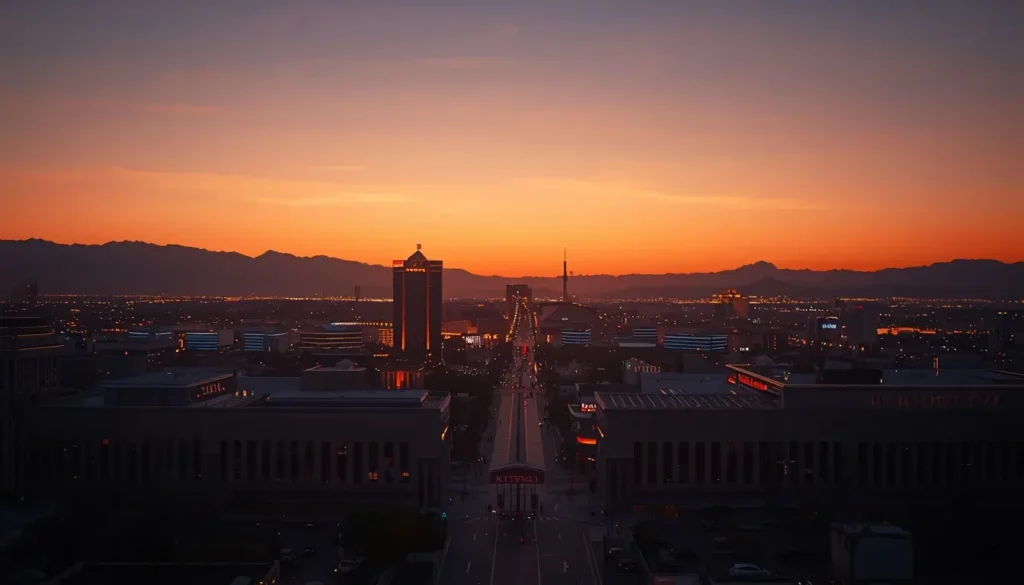
Today, Las Vegas stands as a city of contrasts. By day, it appears stark and overwhelming. By night, it transforms into a glowing spectacle that feels almost unreal. This article explores how Las Vegas evolved, why the Strip feels alive after dark, how to experience the city wisely, and why luck seems to smile on only a fortunate few.
From Desert Outpost To Entertainment Capital
Las Vegas was once little more than a rest stop in the Nevada desert. The land offered little comfort, and life moved slowly. Everything changed when gambling was legalized in Nevada in 1931. That single decision altered the city’s future forever.
Soon after, investors arrived. Large casinos rose from the sand. These early casinos were not just places to gamble. They became stages for legends. Elvis Presley, Frank Sinatra, Dean Martin, and Sammy Davis Jr. performed for packed audiences night after night. Their presence gave Las Vegas glamour, credibility, and global attention.
Over time, the city outgrew its original identity. Many of the historic casinos that defined early Vegas were demolished. In their place, massive entertainment complexes emerged. These new structures blended luxury hotels, casinos, shopping centers, theaters, and theme-park-style attractions into a single experience.
Las Vegas did not simply rebuild itself. It reinvented itself.
The Modern Las Vegas Strip Explained
The Las Vegas Strip is the heart of the city. Stretching several miles, it hosts some of the largest and most extravagant hotels in the world. During the day, the Strip can feel overwhelming. Tall buildings line both sides of the road, casting shadows and dominating the skyline. The scale feels almost unnatural.
But this daytime impression is misleading.
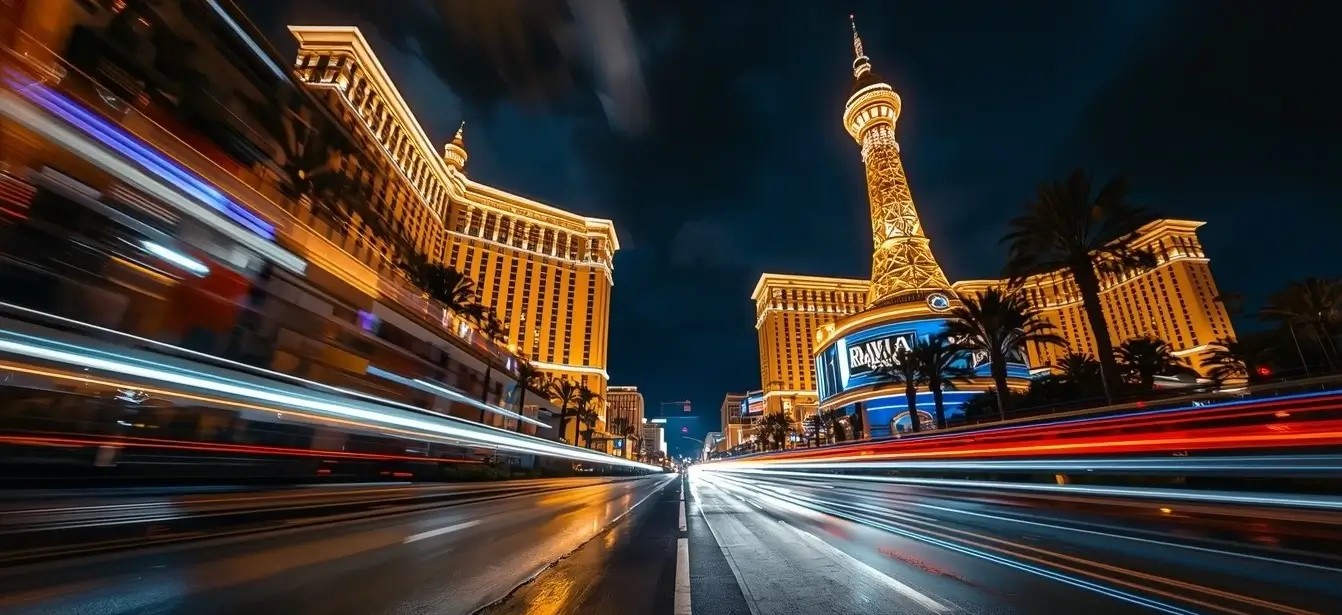
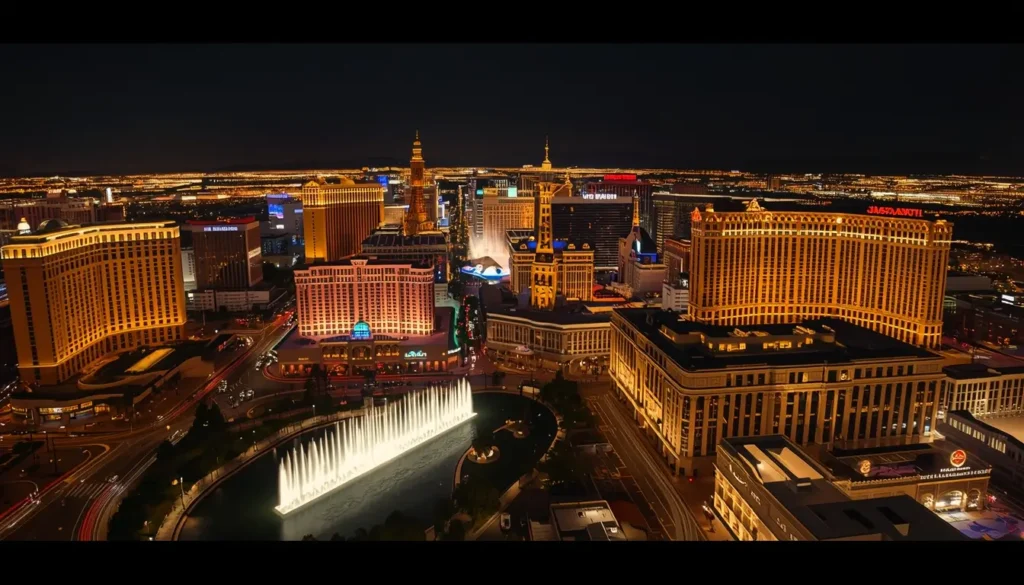
When night falls, the Strip undergoes a dramatic transformation. Neon lights ignite. LED screens come alive. Music, fountains, and light shows take over the streets. What once felt harsh and industrial becomes vibrant and theatrical.
Each major hotel has a signature attraction. Some feature synchronized fountain shows. Others use massive video displays or carefully timed light performances. These shows often run on fixed schedules every evening. Checking showtimes in advance is essential. Hotel concierges usually provide schedules, and official hotel websites offer detailed listings.
Seeing the Strip after dark is not optional. It is essential.

Why Nighttime Defines The Vegas Experience
Las Vegas is designed for the night. The city’s energy peaks after sunset, when crowds gather, music fills the air, and the sense of possibility becomes almost tangible.
The transformation is psychological as much as visual. Darkness removes the harsh reality of the desert. Lights replace it with fantasy. People walk the Strip believing anything could happen. That belief fuels the city’s magic.
As a result, visitors should plan strategically. Use daylight hours for rest, exploration, and preparation. Save energy for the evening, when Las Vegas truly reveals itself.
Night is not just a time in Las Vegas. It is the main event.
Daytime Activities Worth Your Time
Although nightlife defines Vegas, the city offers much more than casinos and shows. Daytime provides the perfect opportunity to explore these quieter attractions.
Shopping is a major draw. Luxury malls, outlet centers, and themed shopping districts offer a diverse range of products, from high-end fashion to unique souvenirs.
Museums provide a surprising cultural side to the city. Liberace’s Museum, for example, showcases the extravagant life of one of Las Vegas’s most iconic performers. Other museums explore mob history, neon signs, and even atomic testing.
Visitors often enjoy stopping by famous wedding chapels. These small but legendary venues have hosted countless spontaneous ceremonies. Even without getting married, stepping inside offers a glimpse into one of Vegas’s most famous traditions.
Daytime activities balance the intensity of the night. They prepare you physically and mentally for what comes next.
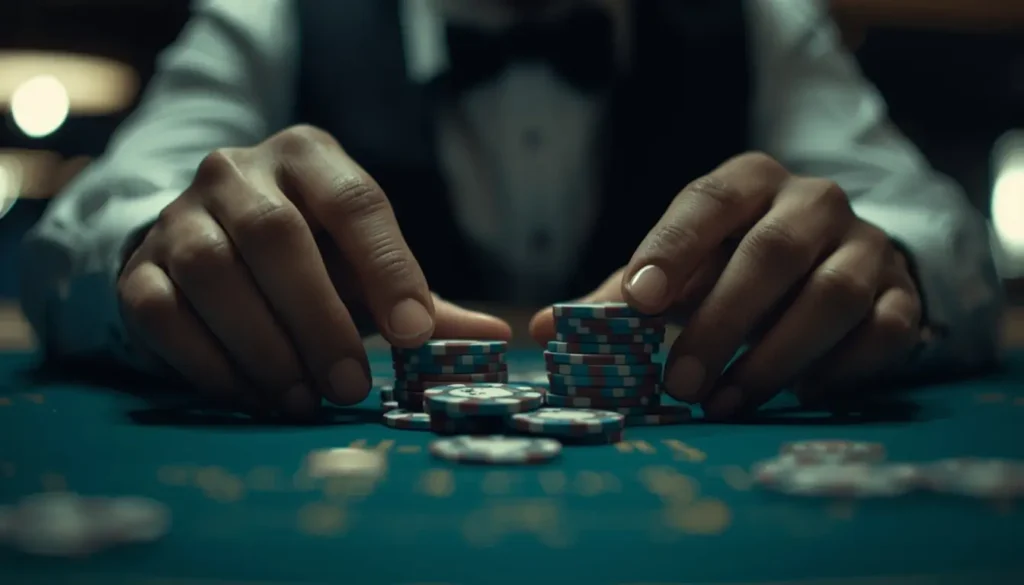
Gambling: The Heartbeat Of Las Vegas
Gambling is not mandatory in Las Vegas, but it feels unavoidable. The sounds, lights, and atmosphere draw people in naturally. Slot machines greet you in hotels, airports, and even grocery stores. Tables glow with anticipation.
To gamble responsibly, discipline is essential. Before entering a casino, decide how much money you can afford to lose. Treat this amount as an entertainment expense, not an investment. Once it is gone, stop.
This rule protects both your finances and your enjoyment. Chasing losses turns excitement into stress. Walking away preserves the experience.
Pacing yourself matters. Many visitors combine gambling with dinner shows or live performances. This approach slows spending while enhancing the overall experience. Checking local listings for performers is wise, and hotel reception desks often help secure tickets.
In Las Vegas, luck shines briefly. Wisdom makes it last longer.
Entertainment Beyond The Casino Floor
Las Vegas offers world-class entertainment far beyond gambling. Shows range from classic cabaret to modern acrobatics, magic, comedy, and music residencies by global stars.
Dinner shows combine fine dining with live performance, creating a relaxed and immersive evening. These shows allow visitors to enjoy Vegas entertainment without constant movement or noise.
Nightclubs attract international DJs and performers, while lounges provide quieter spaces for conversation and cocktails. There is no single way to experience Vegas nightlife. The city adapts to every preference.
This diversity is intentional. Las Vegas understands that different people seek different thrills.
The Psychology Of Luck And Chance
Las Vegas thrives on human psychology. The city is built to encourage hope, risk, and belief in sudden transformation. Bright lights, near wins, and constant stimulation keep visitors engaged.
Yet the truth remains unchanged. The house always has the advantage. Casinos rely on mathematics, not luck. Understanding this reality does not ruin the experience. Instead, it empowers smarter choices.
Luck in Las Vegas is fleeting. Memories, however, last much longer.
Planning A Smart Las Vegas Vacation
A successful Las Vegas trip requires balance. Overplanning kills spontaneity. Underplanning leads to exhaustion.
Start by choosing a hotel that matches your goals. Some focus on luxury. Others emphasize entertainment or budget-friendly options. Location matters. Staying on or near the Strip saves time and energy.
Plan evenings loosely. Identify one or two must-see attractions, then leave room for exploration. Walk the Strip. Watch the crowds. Let the city guide you.
Most importantly, rest. Las Vegas is intense. Sleep, hydration, and pacing determine whether the experience feels magical or overwhelming.
Why Las Vegas Still Captivates The World
Las Vegas endures because it understands people. It offers escape without judgment. It promises excitement without obligation. It allows visitors to step outside routine and embrace possibility.
The city does not pretend to be subtle. It is loud, bright, and unapologetic. Yet within that excess lies careful design and deep understanding of entertainment.
They does not guarantee luck. It celebrates the pursuit of it.
Conclusion
This is more than casinos and neon lights. It is a city shaped by history, psychology, and reinvention. From its desert origins to its modern transformation, Vegas reflects humanity’s fascination with chance and spectacle.
Luck may shine on the fortunate few, but the experience shines on everyone who enters with curiosity, discipline, and an open mind. Las Vegas does not promise success. It promises a story worth telling.
Find more :https://sasokay.com/best-insurance-america/
What Is The Best Time To See The Las Vegas Strip?
The best time to experience this Strip is after dark, when the lights, shows, and energy fully come alive.
Is Gambling Required To Enjoy Las Vegas?
No, gambling is not required. They offers shopping, shows, museums, dining, and nightlife for all interests.
How Can Visitors Gamble Safely In Las Vegas?
Set a clear spending limit, treat gambling as entertainment, and never chase losses.
Are There Activities In Las Vegas During The Day?
Yes, daytime activities include shopping, museums, wedding chapels, dining, and relaxation.
Why Is Las Vegas Called A City Of Luck?
This is called a city of luck because it is built entirely around the idea of chance, possibility, and sudden transformation. From the moment visitors arrive, they are surrounded by symbols that promise opportunity. Flashing lights, spinning wheels, stacked chips, and ringing machines all communicate the same message: anything can happen here.
Historically, they earned this reputation when gambling was legalized in Nevada. At a time when many parts of the world restricted games of chance, The neon city openly embraced them. Casinos became places where ordinary people believed they could change their lives overnight. This belief, more than actual winnings, cemented the city’s identity as a destination of luck.
Psychology plays a major role. Casinos are carefully designed to stimulate hope and optimism. Near wins, celebratory sounds, and constant visual movement trigger dopamine in the brain. Even when people lose, the environment encourages them to feel close to winning. This creates the powerful illusion that luck is always just one step away.
They also represents opportunity beyond gambling. Many performers, entertainers, and entrepreneurs came to the city with little and achieved success. Stories of unknown singers becoming stars or small investors building empires reinforce the idea that Vegas rewards the bold. These narratives spread far beyond the casino floor.
However, the reality is more balanced. True luck favors only a small number of visitors. Casinos operate on mathematics, not chance, and the house always has an advantage. Most people do not leave richer in money. Instead, they leave richer in experience, memory, and emotion.
This is called a city of luck, not because everyone wins, but because it allows people to feel the possibility of winning. It permits visitors to dream, to risk, and to imagine a different outcome. That feeling, fleeting yet powerful, is what defines Las Vegas as the city of luck.
Find more :
- Las Vegas Tourism Official Site – general travel info, events, and guideshttps://www.visitlasvegas.com/
Any Suggestions, Feedback, or Information, Please :Contact Us