
Table of Contents
Introduction: When Images Feel Real, Can You Still Trust Them
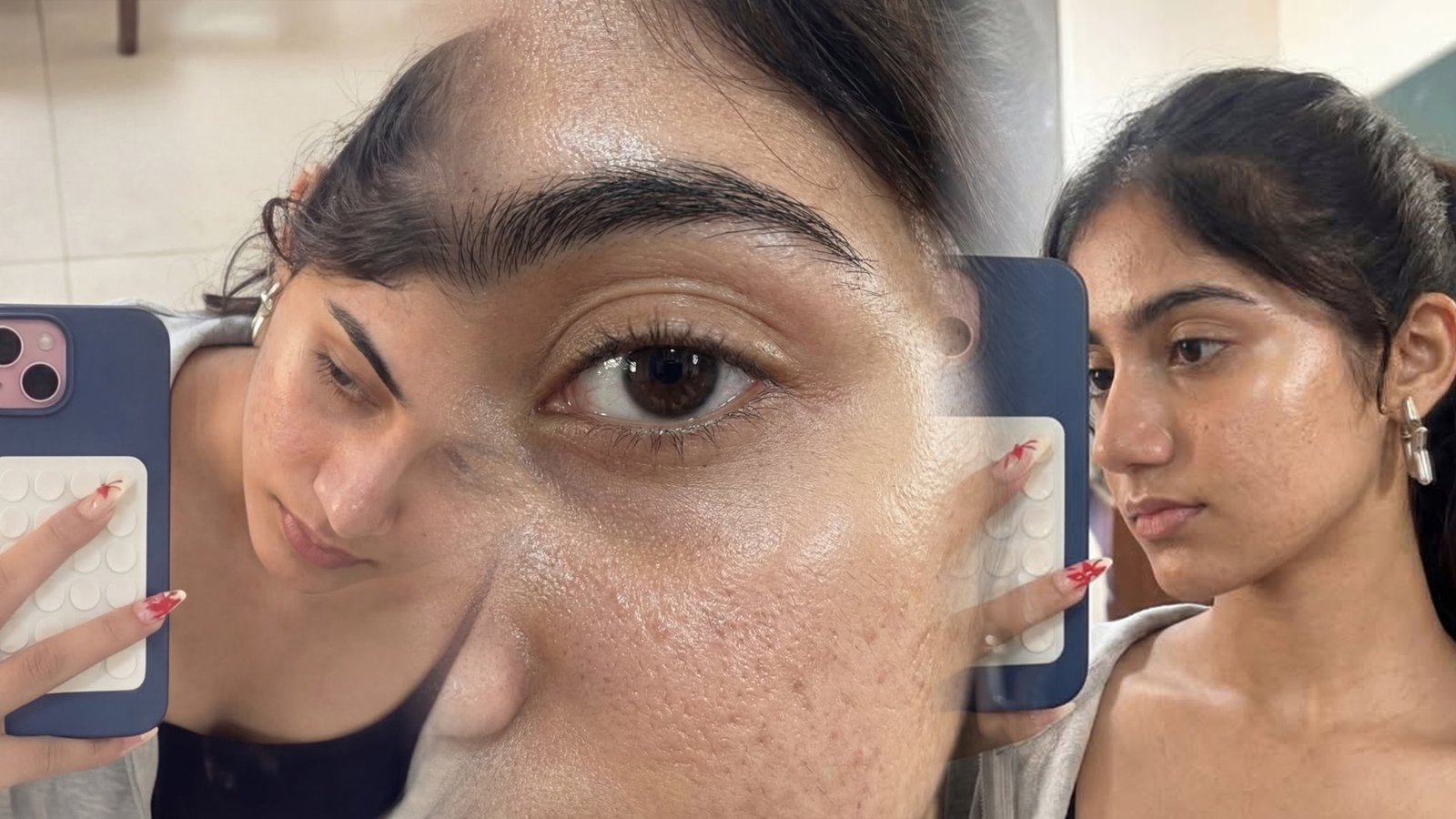
We’ve always believed that a photograph shows reality. A picture was evidence, proof of a moment. But in today’s digital world, AI is changing the rules. Images can now mimic real skin, lighting, facial details, and even imperfections so convincingly that even experts can struggle to tell what’s real and what’s artificial.
When something feels human, our brains stop questioning it. That’s exactly what modern Artificial Intelligence is exploiting. So, what happens when images that never existed begin to feel utterly authentic? How do you know what’s real online anymore?
In this article, we’ll explore how AI has mastered facial realism, break down the photo-by-photo analysis of some of the most astonishing Artificial Intelligence-generated images, and provide practical tips to help you think critically in a world where appearances can be deceiving.

How AI Has Mastered Human Faces
Artificial Intelligence image generators use advanced technologies like GANs (generative adversarial networks) to create faces that look real. These systems don’t just stitch pixels together; they reconstruct lighting, shadows, textures, and imperfections that trick our brains into seeing life-like photos.
Earlier Artificial Intelligence models often produced unrealistic skin and overly smooth, glossy, or oddly symmetrical. Today, modern AI can replicate micro details, such as pores, blemishes, subtle dimples, natural asymmetry, and the tiny reflections in an eyeball. That level of realism was unheard of just a few years ago.
The result? Images that feel authentic, yet exist nowhere in reality. And that’s what makes this technology both fascinating and unsettling.
Photo Story: Five Ways AI Tricks the Eye
Let’s dive into the five images you described, examining how this creates the illusion of reality.
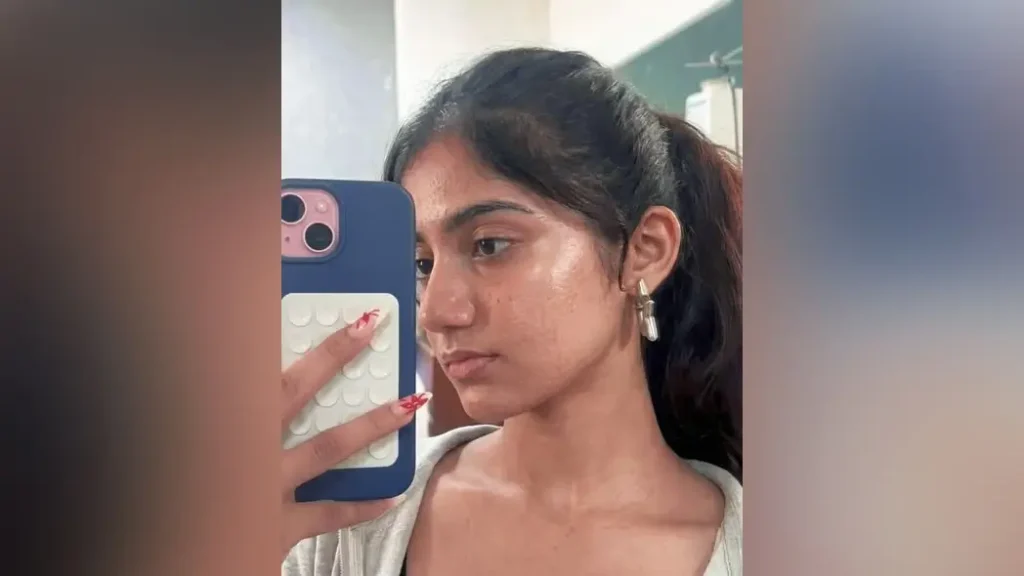
Photo 1: The Selfie With Perfect Light
At first glance, this looks like an ordinary selfie. Shadows fall naturally, the skin reflects soft ambient light, and the face is framed in a way that feels familiar. Modern Artificial Intelligence understands how light interacts with human skin, mimicking techniques photographers use in natural or studio light.
This is where it gets eerie: you instantly trust the image. Your brain interprets subtle cues, like soft lighting and realistic facial proportions, as indicators of authenticity. But this image? Fully generated.
Photo 2: Dimples, Blemishes, and Texture
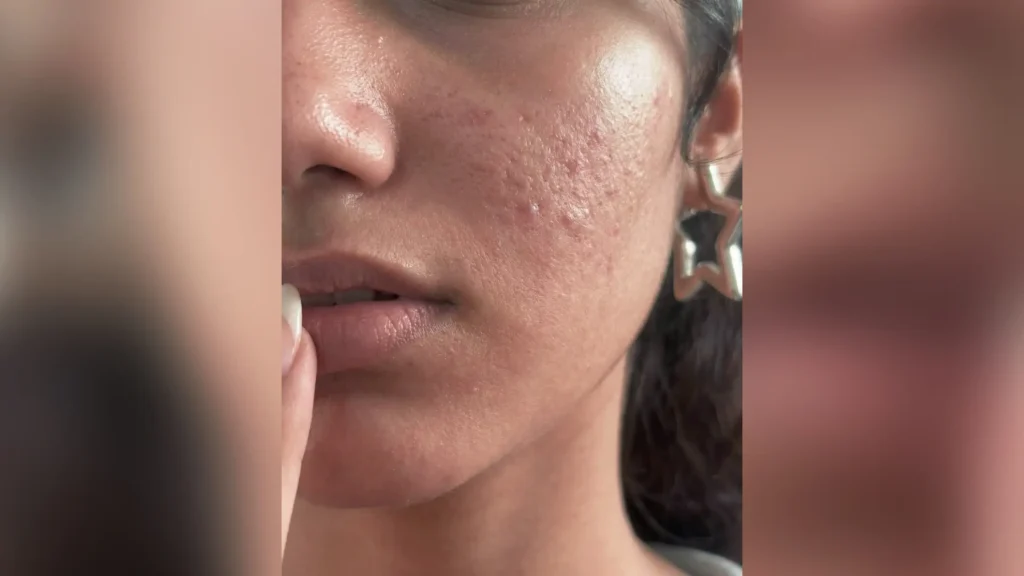
The next image shows a side profile, complete with dimples and minor pimples. Early Artificial Intelligence often made skin look unnaturally flawless, but now it replicates the tiny imperfections humans expect.
Why does this matter? Our brains are hardwired to detect unnatural features. When this reproduces dimples, fine lines, and texture correctly, our visual system accepts it as real. This is supported by dermatology research.
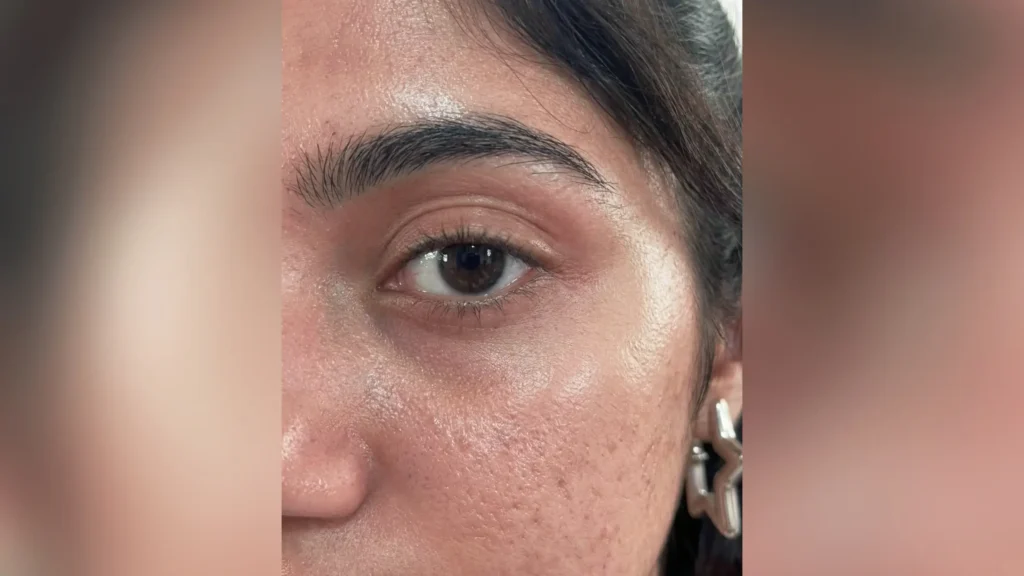
Photo 3: Zooming in on the Eyes
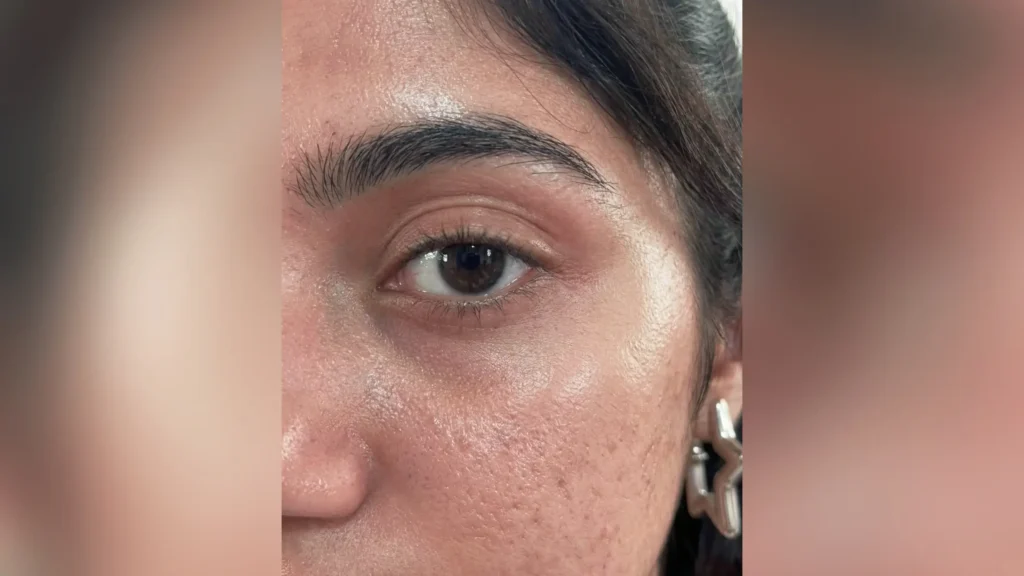
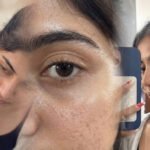
Eyes have always been a challenge for Generated. Zoom in, and you can see the glint of light, subtle shadows around the lids, and the depth of the eyeball. These details are crucial because humans rely on eye realism to judge authenticity.
Modern Technology now perfectly models these features, making it almost impossible to distinguish a generated image from reality at a glance. Studies show that people often can’t tell these faces apart from real ones.
Photo 4: Realistic Hands

Hands are notoriously difficult to generate. These images position fingers naturally, apply accurate shading, and model skin folds convincingly. Even small details, like veins and knuckles, are included to enhance realism.
This attention to detail makes the image feel complete and human. Most casual viewers won’t notice these subtleties, which is why this is increasingly trusted to generate images for social media, advertisements, and even educational materials.
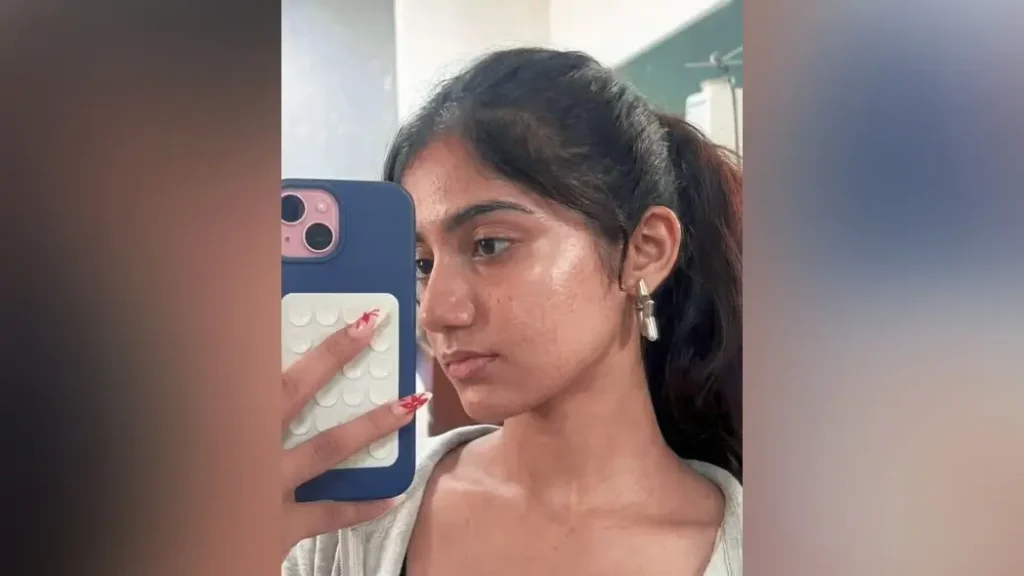
Photo 5: The Complete Selfie
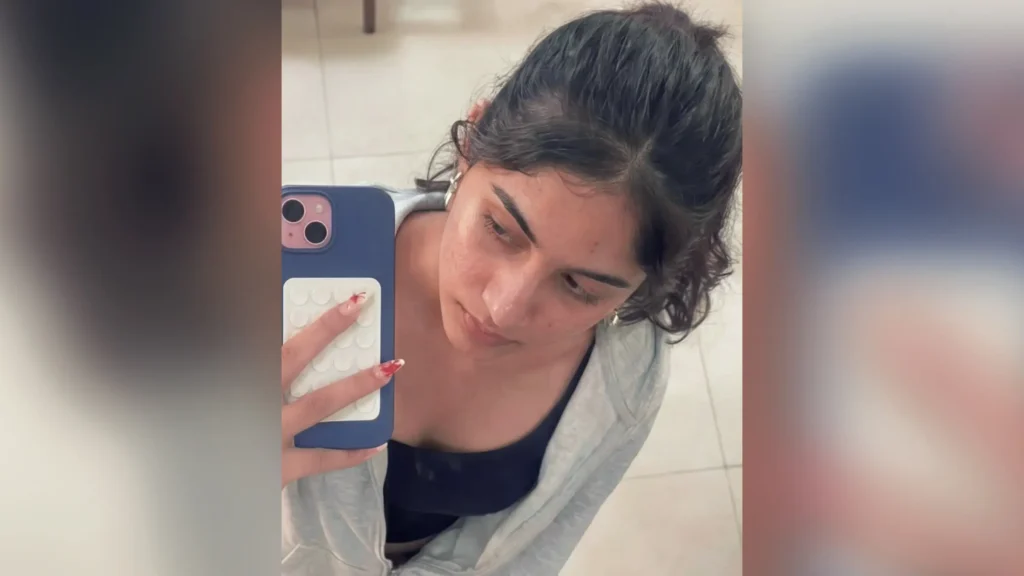
Finally, the overall selfie brings everything together: balanced lighting, realistic skin, detailed eyes, and natural hand placement. The result is an image that feels perfectly real.
The unsettling part? It’s 100% generated. No human ever posed for it, no camera captured it, and yet, your brain is convinced. This illustrates the growing challenge of distinguishing real from artificial in the digital world.
Why This Matters: Psychology and AI
Humans are wired to trust faces. When a photo looks real, our brains often stop questioning it. This is exploiting this by replicating all the micro-details that make humans believe in authenticity with light, skin texture, eye reflections, and natural poses.
Even when we know images could be fake, the emotional and psychological impact can be powerful. Fake images can manipulate opinions, evoke emotions, and even influence decisions without viewers realizing it
Positive Uses of Artificial Intelligence Images
Not all Artificial Intelligence-generated content is dangerous. There are positive applications, including
- Education: Explaining skin conditions, biology, and anatomy visually.
- Creativity: Helping artists visualize concepts or design characters.
- Accessibility: Generating helpful images for people with visual learning needs.
The key is awareness and responsible use.
Practical Tips: How To Stay Critical Online
- Inspect lighting and shadows – look for consistency; unnatural lighting can be a clue.
- Check skin texture – repetitive patterns or overly smooth skin may indicate AI.
- Examine facial symmetry – too perfect can signal artificial generation.
- Use reverse image search – verify origins of images.
- Question emotional triggers – Artificial Intelligence often pairs realistic visuals with emotionally persuasive captions.
Being critical doesn’t mean distrusting everything, and it means thinking before you believe.
Final Thoughts: Seeing Clearly in a Digital World
Artificial Intelligence-generated images are remarkable, blending science, technology, and artistry. But realism is not reality. By understanding how Artificial Intelligence works, inspecting images carefully, and thinking critically, you can enjoy the benefits of this technology while avoiding deception.
Always ask yourself: Who created this image? Why does it exist? What is it trying to convince me of?
With awareness and vigilance, we can embrace this positively while staying safe in an increasingly visual digital world.
Find More:https://sasokay.com/sinners-movie-sets-16-legendary-nominations/
FAQ: Common Questions About Computer-Generated Images
Can Computer-Generated images fool humans every time?
Not always, but research shows people are often unable to reliably tell the difference between Computer-Generated and real faces.
Are Computer-generated images dangerous?
They can be if misused, but they also have creative, educational, and helpful applications.
How can I identify Intelligence content?
Look for subtle inconsistencies in skin, lighting, reflections, and symmetry. Use reverse image search to verify sources.
Will Neural Network change trust online forever?
It makes verification more important. Critical thinking is essential in the digital age.
Should I stop sharing photos online?
No. Stay aware, verify images, and encourage responsible sharing.
Find More:https://www.technologyreview.com/2022/07/21/1052185/how-to-spot-deepfakes/ (MIT Technology Review guide on spotting deepfakes)
Any Suggestions, Feedback, or Information, Please: Contact Us


Если вы планируете поездку в главный город Германии, стоит заранее изучить центральные места, такие как историческая стена и городской дворец. Также нелишним будет знать, как достичь из аэропорта Берлин-Бранденбург до центральной части города или центрального автовокзала, а это можно осуществить на поезде или городском автобусе, детали стоит уточнить на сайте [url=https://holidaygid6.ru]днепр — берлин поезд[/url] .
Для тех, кто привлекают замками, стоит навестить замки в Берлине и замки около Берлина, а также изучить окрестности. Если собираетесь путешествие из Польши, в частности, из Познани или Лодзи, стоит брать в расчет расстояние и возможности поездов, которые коннектят города с Берлином. Также просто добираться из Берлина в Потсдам — великолепный маршрут для одно дневной экскурсии.
Ежели готовите поездку в Потсдам и размышляете, что осмотреть за один день, непременно предлагаем заглянуть на дворец Сан-Суси, Голландский квартал и японский сад. Наряду с типичных достопримечательностей Потсдама, стоит заглянуть в кинопарк Бабельсберг и замок Вальдек, чтобы иметь целостное представление об этом восхитительном городе. Для почитателей природы здесь также много парков Германии, где можно приятно провести время и восхититься красотой ландшафта.
Коли вам хочется узнать, что изучить в Дюссельдорфе, не упустите блошиный рынок с его исключительной атмосферой и ассортиментом товаров (адрес и расписание просто найти на [url=https://holidaygid5.ru]браунфельс[/url] ), а также японский парк, который когда-то назывался японским садом Дюссельдорфа. Любителям активного отдыха и семейного совместного времяпрепровождения будет интересен Фантазия Ленд — советуем заранее ознакомиться с ценами на билеты и аттракционами. Данные разнообразные направления помогут сделать ваше путешествие по Германии ярким и запоминающимся.