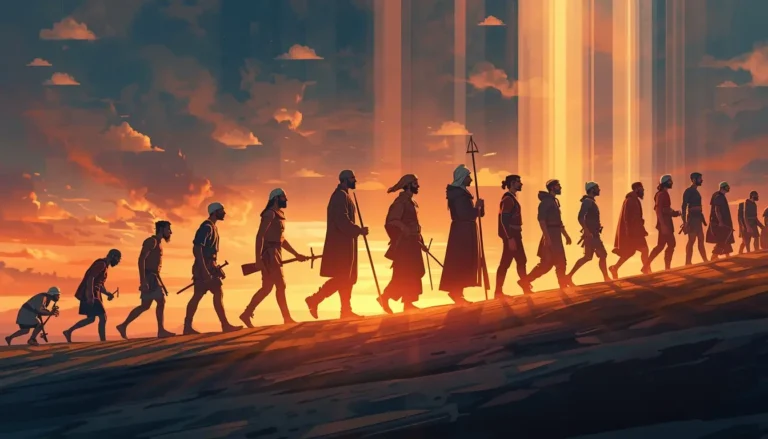
This valuable article explores how flexible thinking, emotional depth, and strategic choices shaped survival across eras and Adaptation, offering readers rare insights that elevate clarity, confidence, and future-ready decision-making.
The Core Question That Adaptation and Echoes Across Ages
Across countless eras, across shifting landscapes, across changing cultures, one mystery has challenged researchers, storytellers, and thinkers:
Who endures the longest and the individual built purely on force, or the individual shaped by flexible thinking?
When we observe past societies, ancient transitions, early communities, and major global shifts, one truth appears repeatedly: sheer muscle rarely leads to lasting endurance. Instead, those who rise through unexpected trials often rely on something quieter yet far more strategic. The ability and adaptation to shift their mindset, adjust beliefs, and reshape and develop Behavior when reality demands it.
But this story does not begin with admiration for physical force. It begins with the quiet, steady rise of those who learned how to bend without breaking.
The Silent Thread That Connects All Survivors
Every era had its storms and harsh climates, social changes, uncertainty, conflict, and discovery. Some individuals responded with aggression. Some resisted every shift. Some tried to rule over others. Yet the ones who remained throughout history often demonstrated three shared traits:
- Mind-flexing skill that allows quick adjustment
- Inner calm while facing uncertain futures
- Instinct for strategic timing rather than brute reaction
This silent formula explains why endurance rarely belonged to the loudest, the strongest, or the most dominant. Endurance gravitated toward those who learned how to move with changing circumstances instead of fighting against them.
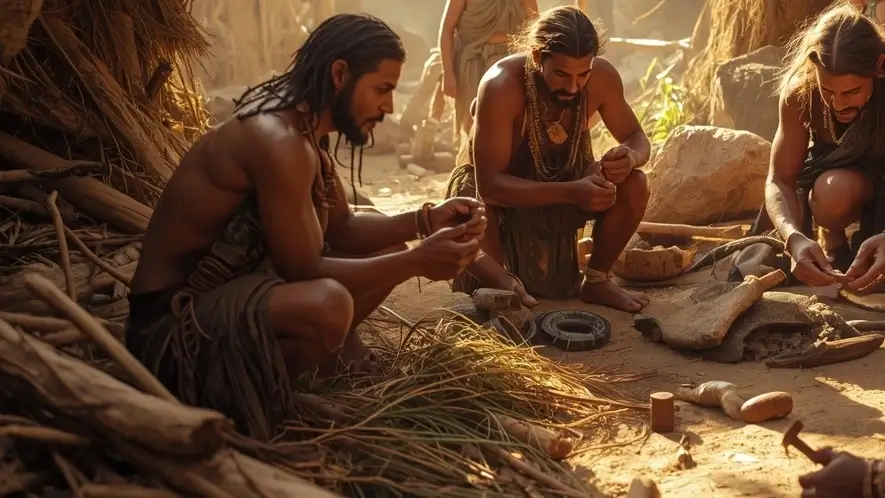
1. Why physical force wasn’t the ultimate ticket
Past societies often celebrated those who could lift, fight, or command. Yet when eras changed, when climates shifted, when new threats arrived, force alone failed.
A rigid person faces collapse when reality refuses to match expectations.
A flexible person reshapes strategy and keeps moving.
That is why historical endurance is deeply linked to mental agility.
2. The Long Journey Through Harsh Eras
Let’s walk step-by-step through the major eras of adaptation, observing what helped people remain.
Early harsh landscapes
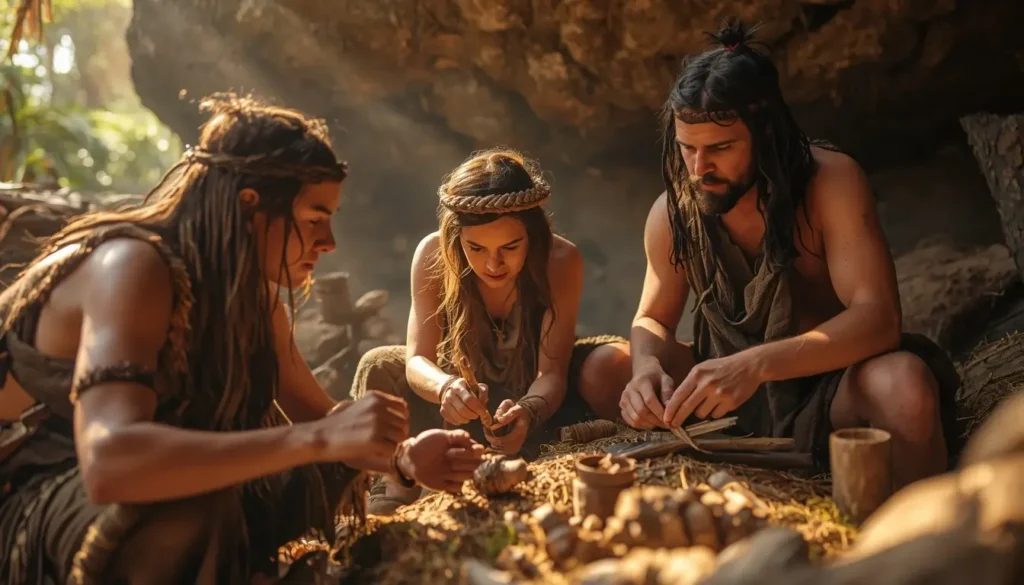
Life required courage, observation, and quick decisions. The strongest body did not guarantee safety; the strongest mindset often did.
Shifting social periods
Communities changed rapidly. New rules appeared. New leaders emerged. People who adjusted their habits, communication styles, and work patterns remained stable.
Cultural transitions
When customs, beliefs, and social systems evolved, the individuals who remained open to new ideas held greater chances of creating meaningful roles in each era.
Across every transition, the pattern repeats:
Flexibility beats rigid force.
3. The Hidden Emotional Layer Behind Successful Adaptation
Your message mentioned something important: the emotional weight tied to change. Yes, adjusting to new circumstances is not always joyful. Sometimes people choose to shift because their surroundings do not match their identity, values, or inner expectations.
The emotional companion
Even when change is necessary, it often brings a heavy inner feeling. Not the repeated word you listed, but a feeling of loss, distance, or internal ache. This emotional weight shapes a person into someone sharper, more aware, and more capable.
Why emotional depth creates stronger adaptation
Feelings act as inner signals, and they push individuals to rethink, reposition, and reshape their choices.
People who feel deeply often see more clearly.
People who see clearly make better long-term decisions.
Emotional depth does not weaken survival; it strengthens it.
4. The Person Who Endures Most Eras
Let us answer your main question clearly:
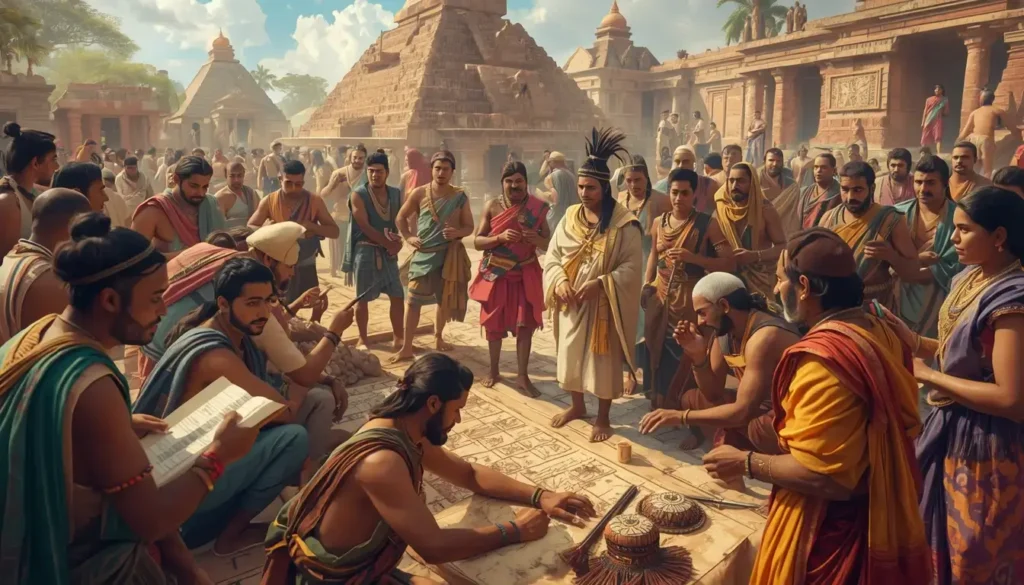
The individual who survives the most eras is rarely the strongest.
It is the one who shifts strategy with precision and uses emotional awareness as a compass.
This type of person:
- Learns from history instead of ignoring it
- Adjusts Behavior when the world demands it
- Spot opportunities earlier
- Moves silently but decisively
- Understands timing better than force-driven people
Such individuals act like water and flowing where needed, shaping themselves to match circumstances, yet maintaining an unbreakable core.
Find More About the Human: https://sasokay.com/human-roles-evolution-8-powerful-truths/ & https://sasokay.com/unraveling-the-mystery-of-life/
5. Why Force-Based People Fade Over Time
People driven purely by force often collapse when:
- Rules change
- Old hierarchies fall
- Societies shift priorities
- Unexpected threats appear
- Long-term strategies are required
Strength can win battles.
It rarely wins centuries.
Rigid minds cannot handle new realities.
They break where flexible minds bend.
6. How Flexible Thinkers Quietly Build Influence
Influence is not only about loud leadership or visible dominance. Many of history’s silent achievers shared one powerful approach:
- Observe carefully
- Assess patterns
- Act with timing
- Shift when necessary
- Remain steady through waves of change
These individuals shape eras from behind the scenes.
They create more meaningful change than loud, force-driven figures.
Their secret advantage:
They study reality instead of fighting it.
7. When Internal Pain Creates Personal Growth
Your message mentioned something essential: when external conditions do not match a person’s inner truth, they are pushed to shift in ways they didn’t expect.
This inner pressure becomes the birthplace of:
- Creativity
- Strategy
- Strength of character
- New identity
- Advanced thinking
People who went through emotional trials often evolved into sharper thinkers. Their inner ache became a source of clarity.
This type of transformation creates individuals who survive every era because they rise stronger than before.
8. The Choice That Shapes Every Life
Every person faces a crossroads:
Option A: Resist reality
- Fight every change
- Demand control
- Rely on force
- Collapse when circumstances overwhelm
Option B: Move with reality
- Adjust perspective
- Shift behaviour
- Learn from experiences
- Remain strong through transitions
Those who choose the second path shape longer, more meaningful lives.
9. Why Survival Depends on Inner Strategy, Not Outer Strength
When we examine past transitions, ancient communities, and major global changes, the same conclusion appears:
Survival depends on the quality of inner decisions.
Not muscles. Not domination. Not physical force.
The ones who remain are the ones who:
- Think clearly
- React calmly
- Accept change
- Analyse options
- Create new paths
These individuals help entire groups move into new eras. They become guides, mentors, innovators, and silent leaders.
Their endurance becomes the story of humanity itself.
10. The Future Belongs To Those Who Shift With Intelligence
Today’s world moves even faster than ancient eras. Technology grows rapidly. Culture shifts daily. Trends come and go. Beliefs transform. Systems change.
In this new world:
- Flexibility is success
- Emotional clarity is guidance
- Calm decision-making is a strength
- Mindset shift is survival
Those who cling to old ways will feel lost.
Those who adapt with clear thinking will rise.

The Final Layer: Your Choice Shapes Your Lifetime
Every reader of this article stands at a powerful point. Life will continue changing. Eras will continue shifting. Cultures will transform. Systems will rise and fall.
But your endurance depends on one single skill:
How well you shift when life demands it.
Not by losing identity, but by reshaping your approach.
Not by breaking, but by bending with strength.
Not by ignoring emotions, but by learning from them.
Those who combine mental flexibility with emotional depth become unstoppable across any era.
Across every stage of life, one thread stays constant: this shapes how each person moves through shifting situations. When we look closely at earlier eras, it becomes clear that the individuals who continued forward were not always the strongest or the loudest. They were the ones who understood their surroundings, adjusted their choices, and stepped into new experiences with steady intention. This ability to shift direction without losing identity remains one of the most valuable forms of personal development.
Modern challenges mirror the past, and the same pattern appears today. The world moves fast, uncertainty rises without warning, and expectations change quickly. In moments like these,becomes more than survival; it becomes a form of inner power. It gives a person the strength to navigate pressure, rethink old habits, and create a path that matches their truth. When someone learns to respond rather than react, they step into a higher level of clarity and confidence.
This journey is not limited to one group or one moment in history. It belongs to every human who has ever faced a difficult decision or a sudden shift in direction. Life never stays still, and eras always bring new demands. What separates those who advance from those who remain stuck is the readiness to reshape perspective with calm thinking. And opens doors that force alone can never unlock.
As we move forward, carrying the lessons of past generations, the message becomes simple: trust your ability to adjust. Trust your growth, your awareness, and your evolving vision. When adaptation guides your actions, you build a future shaped not by fear, but by intention. Through this steady mindset, anyone can rise through changing eras with strength, balance, and lasting purpose.
FAQS section
1. Who survives more, the strong or the flexible?
Flexible thinkers survive longer because they adapt to every shift rather than resisting change.
2 . Why does physical strength fail during major transitions?
Brute force cannot solve new challenges that require strategy, timing, and intelligent action.
3 . Does emotional depth weaken survival?
No. Emotional depth sharpens understanding and guides better decisions.
4 . Are flexible individuals more successful in fast-changing eras?
Yes. They remain steady while others freeze, resist, or collapse under pressure.
5. Is survival mostly a mental skill?
Yes. Clear thinking and calm reactions allow a person to navigate harsh conditions far better than force-driven action.
Find More and Search
1.National Geographic – Human Evolution
Explore detailed research on how early humans survived, adapted, and shaped society:https://www.nationalgeographic.com/science/article/human-evolution
2.ScienceDirect – Human Adaptation and Mental Flexibility Study
A scientific study analyzing how cognitive flexibility contributed to survival over brute strength:https://www.sciencedirect.com/science/article/pii/S004724841730052X
Any Suggestions, Feedback, or Information, Please Contact Us