
Introduction
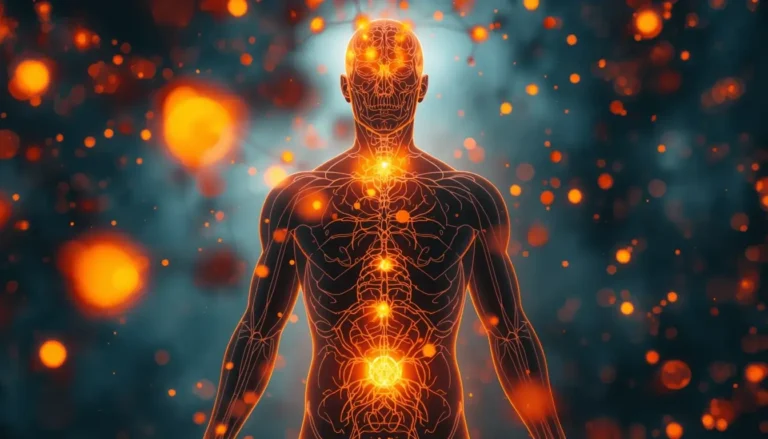
Stress does not knock before entering your life. It slips in quietly. One email. One deadline. One unexpected bill. One argument. Then another. Then another. You tell yourself you are fine. You push forward. You stay busy. But your body keeps score.
Your shoulders tighten.
Your sleep weakens.
Your patience shortens.
Your energy drops.
(Important)This article is Part 4 of a 10-part series celebrating some of the world’s most admired and distinctive women. Each feature explores the qualities, personal style, influence, and life stories that make these women truly captivating and unforgettable. All images are fully credited to their respective creators and are used in accordance with approved free-use permissions. Take a moment to read, share your perspective, and rank your favorites. In your view, who embodies the ultimate balance of power and beauty?
Now imagine this instead. You wake up clear. Focused. Calm. Your body feels strong. Your breathing is steady. Your mind is sharp. You handle pressure without breaking. What changed? You started moving.
This article is not about extreme workouts. It is about exercising properly to eliminate stress, rebuild power, and take control of your life.
Let us break it down.
Why Stress Is Quietly Destroying Your Body
In the United States, chronic stress is now normal. Long work hours. Social pressure. Financial strain. Digital overload. When you stay stressed for too long, your body produces excess cortisol. Cortisol is useful in the short term. Dangerous in the long term.
Too much stress can lead to,
- Fat gain around the stomach
- Low testosterone in men
- Hormonal imbalance in women
- Poor sleep
- Anxiety
- Weakened immune system
- High blood pressure
Many people say that the doctor says it is stress-related. That is not an excuse. It is biology. Your body was designed to move through stress, not sit through it. And that is where exercise changes everything.
Aerobic vs Anaerobic: Know the Difference
There are two main types of exercise.
Aerobic Exercise
Aerobic means with oxygen.
Examples:
- Walking
- Jogging
- Swimming
- Light cycling
- Rebounding
Aerobic exercise burns fat as fuel. It improves heart health. It reduces stress hormones. It increases oxygen flow to the brain. This is your stress weapon.
Anaerobic Exercise
Anaerobic means without oxygen.
Examples:
- Heavy lifting
- Sprinting
- High intensity intervals
This type burns sugar quickly. It builds strength and muscle. It increases power and confidence, and both matter. But for stress control, aerobic movement is foundational.
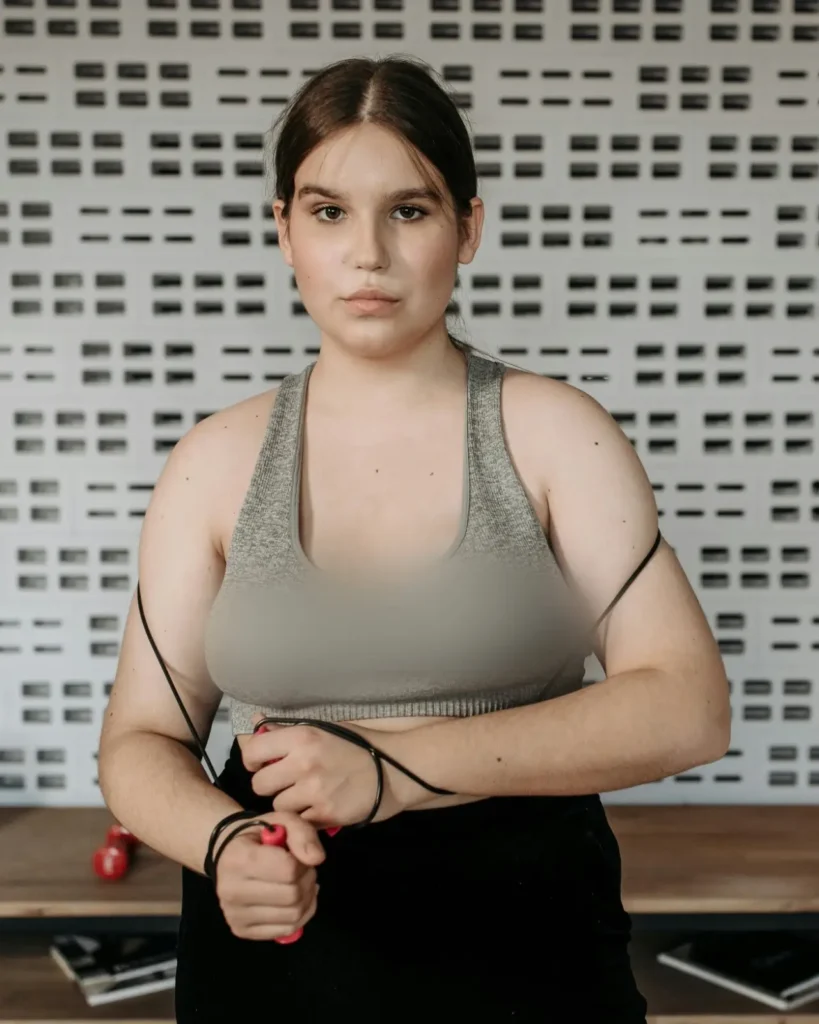
The Power of Walking: The Most Underrated Tool
Walking is not weak. Walking is strategic. You do not need expensive machines. You do not need a gym membership. You need shoes and commitment.
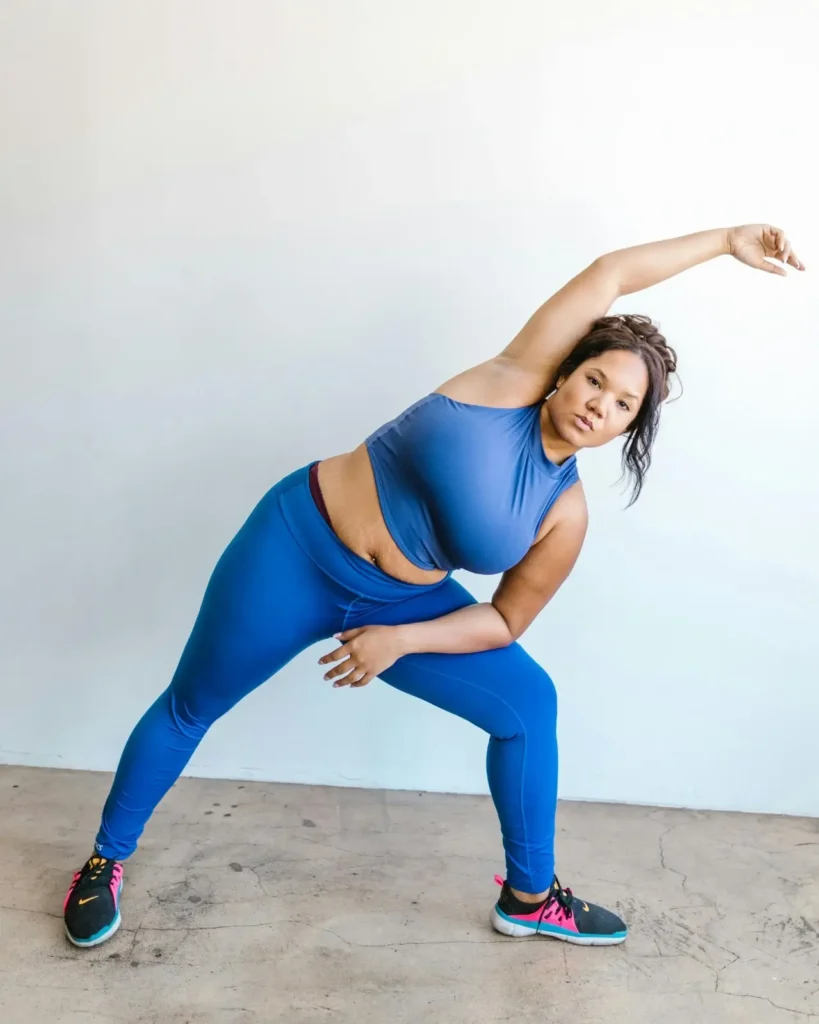
When you walk:
- Blood circulation improves
- Brain fog reduces
- Cortisol decreases
- Mood stabilizes
- Creativity increases
Many successful professionals in the USA use walking as a thinking ritual. It resets the mind. Even 30 to 45 minutes daily at a pace where you can still talk comfortably can transform your energy. Stress cannot survive in a body that moves consistently.
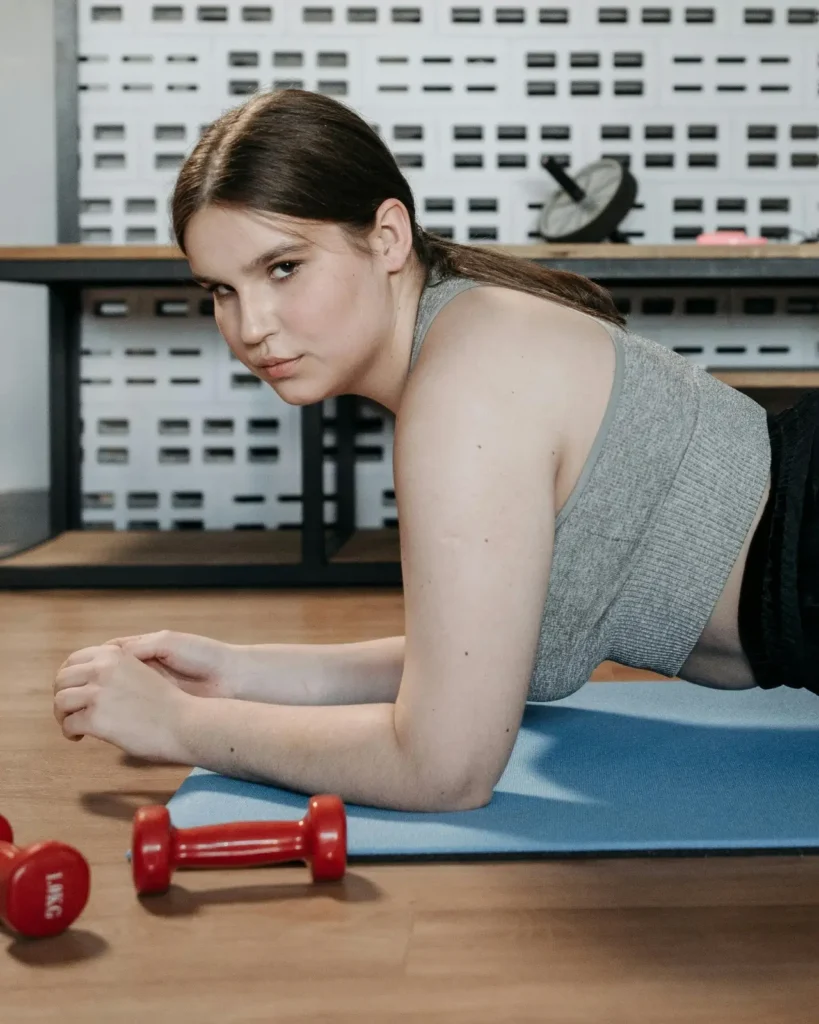
Breathe Like You Mean It
Most people exercise incorrectly. They rush. They strain. They forget to breathe properly. Deep breathing is critical. Here is the method,
They rush. They strain. They forget to breathe properly. Deep breathing is critical. Here is the method:
- Inhale deeply through your nose into your stomach
- Hold for a few seconds
- Exhale strongly through your mouth
This activates your parasympathetic nervous system. That is your calm system. Without proper breathing, exercise becomes a source of tension. With breathing, exercise becomes therapy.
You Do Not Need Extreme Workouts
There is a myth in America that you must destroy yourself in the gym to get results.
False.
Exercise at an intensity level of 7 out of 10. You should still be able to talk while working out.
Why?
Because that zone burns fat efficiently and reduces stress without overloading your nervous system, overtraining increases stress. Smart training reduces it. Consistency beats intensity.
Movement During the Day Matters More Than You Think
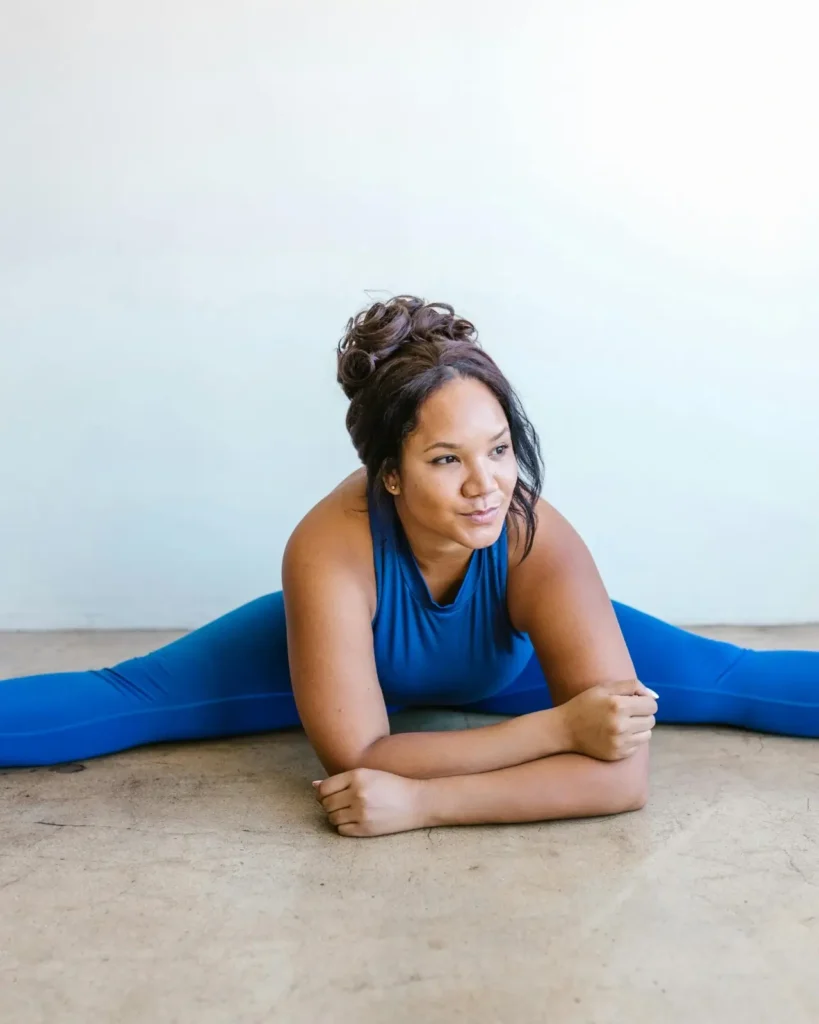
If you sit all day, you are storing stress. Here is what you can do:
- Walk during lunch breaks
- Stretch your neck and shoulders while seated
- Stand every hour
- Take stairs
- Do 5 minutes of light movement between meetings
These micro-movements improve circulation, brain flow, and joint health. Our bodies were designed for motion, not for chairs.
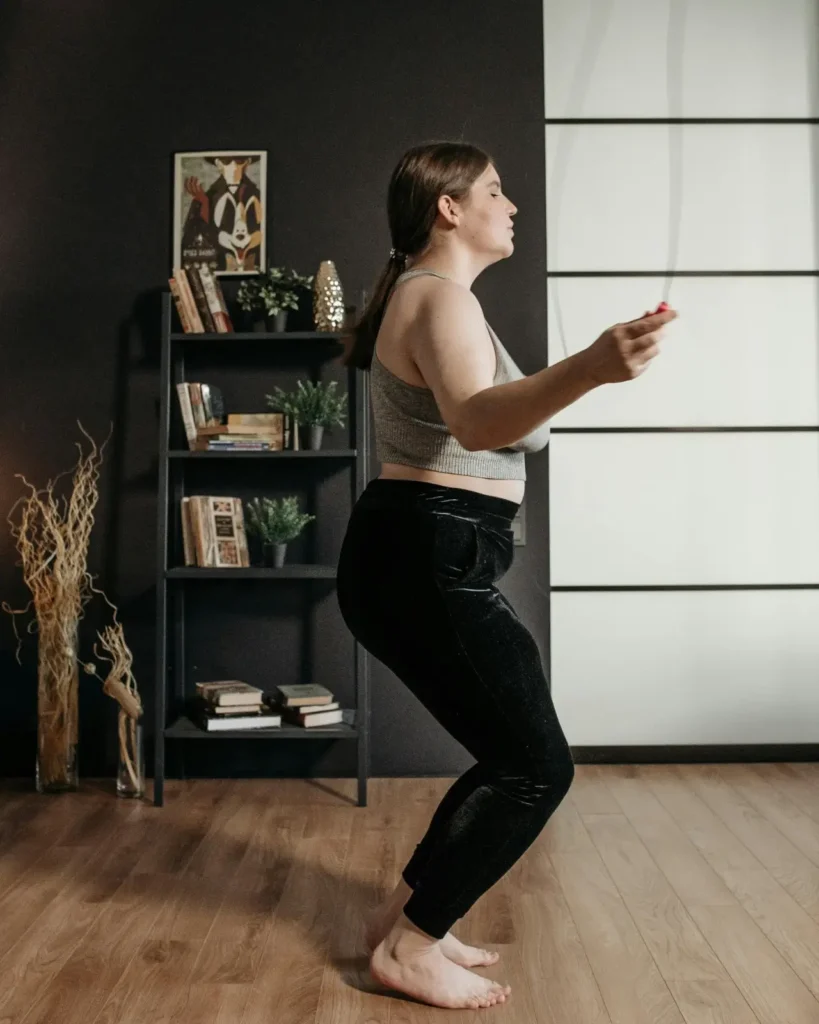
Gym Or Home: Which Is Better?
Both work.
Gym benefits:
- Structured environment
- Access to equipment
- Sauna and pool options
- Social motivation
Home benefits:
- Time efficient
- Comfortable
- No commute
- Flexible
If stress is high, choose the option that removes friction. The best workout is the one you actually do.
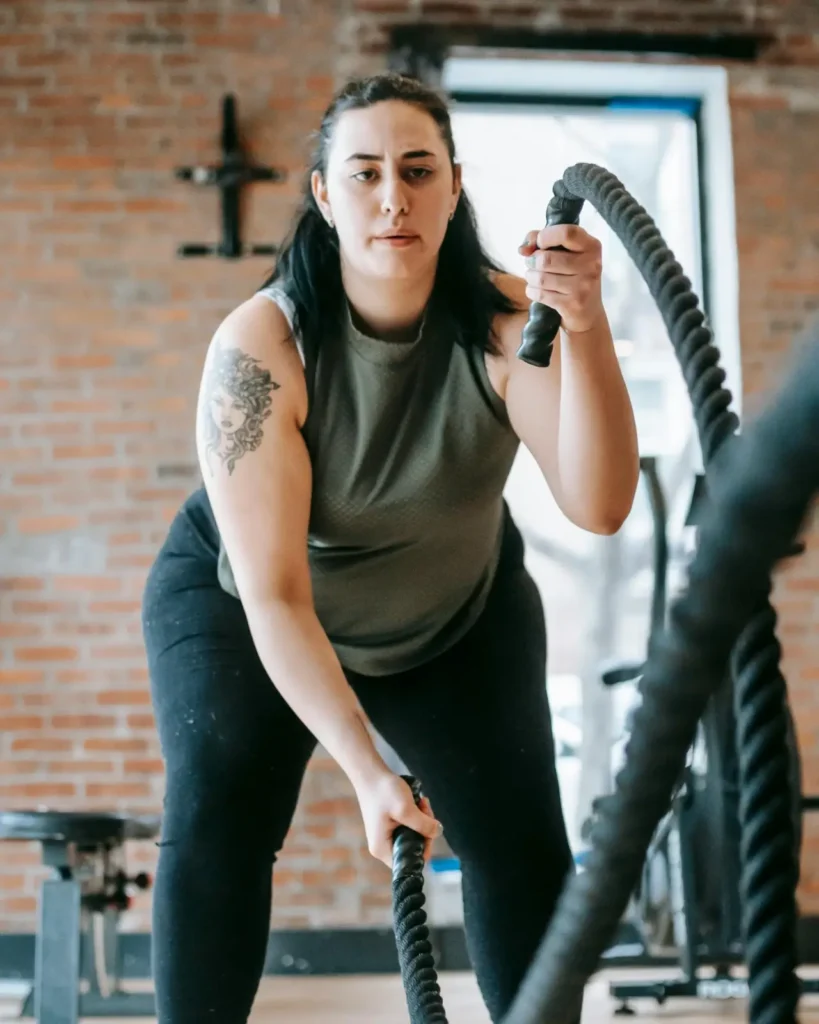
Swimming And Rebounding for Deep Relaxation
If you have access to a pool, swimming is powerful. Water reduces joint stress. It relaxes the nervous system. It improves full-body circulation. Rebounding on a small trampoline is also effective. It stimulates lymphatic drainage and boosts mood. These methods feel light but deliver massive internal benefits.
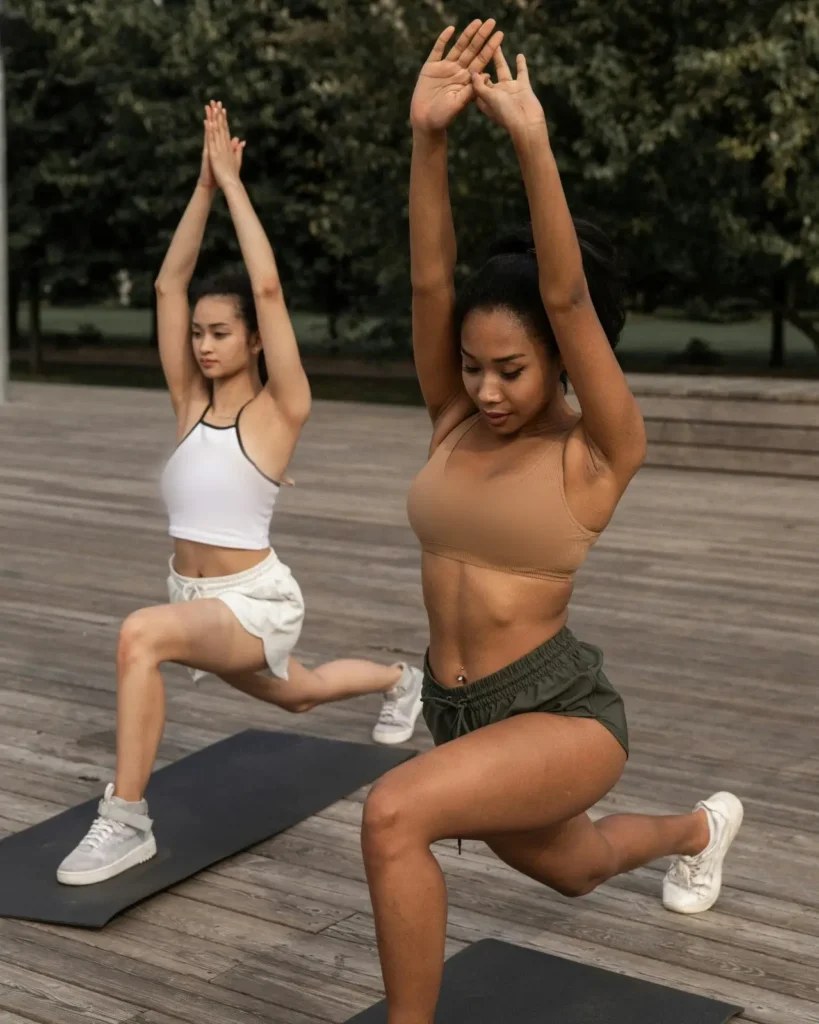
Exercise Changes Your Identity
This is where things shift. At first, you exercise to reduce stress. Then something unexpected happens.
- Your posture improves.
- Your energy rises.
- Your confidence builds.
- Your face looks sharper.
- Your skin glows.
- You look powerful
Fitness models inspire people not because of desire, but because of discipline. They represent structure. Strength. Control. When you train consistently, you become that person. Stress no longer controls you. You control your state.
The 30 Minute Anti-Stress Blueprint
If you are busy, use this:
- 5 minutes of deep breathing and light stretching
- 20 minutes brisk walking or light cycling
- 5 minutes cooldown breathing
Do these five days per week.
Within weeks, you will notice:
- Better sleep
- More patience
- Improved focus
- Reduced anxiety
- Higher productivity
Exercise does not waste time. It multiplies time.
The Science Is Clear
Research consistently links regular exercise to:
- Lower risk of heart disease
- Reduced depression symptoms
- Improved immune function
- Better hormone balance
- Longer lifespan
Movement is medicine. But it only works if you use it.
Article Series on Beauty
- Part 1-https://sasokay.com/why-women-are-beautiful-and-confident-part-01/
- Part 2-https://sasokay.com/bold-black-women-inspire-style-culture-02/
- Part 3 –https://sasokay.com/powerful-reasons-people-get-tattoos-part-3/
- Part 5-https://sasokay.com/bold-black-women-empower-fashion-and-culture-05/
- Part 6-https://sasokay.com/true-beauty-of-the-world-part-06/
- Part 7-https://sasokay.com/bold-black-women-fashion-culture-part-07/
- Part 8-https://www.sasokay.com/how-culture-shapes-beauty-and-desire-part-08/
- Part 9-https://www.sasokay.com/exercise-smart-strength-energy-with-beauties-09/
- Part 10-https://www.sasokay.com/powerful-tattoo-designs-that-inspire-women-10/
Final Thought
You do not need motivation. You need movement. Stress is not a sign of strength. Managing it is. When you exercise properly, you build more than muscle. You build resilience. Focus. Confidence.
You become stronger internally and externally. And that version of you?Calm. Controlled. Powerful. That is the real transformation. Start today.
Frequently Asked Questions
How often should I exercise to reduce stress?
At least 30 minutes, five days per week. Light to moderate intensity works best for stress control.
Is walking really enough?
Yes. When done consistently at a steady pace with proper breathing, walking is extremely effective.
Can exercise replace stress medication?
Exercise supports mental health but should not replace medical advice. Always consult a healthcare professional if needed.
Is high-intensity training good for stress?
It can help, but too much may increase cortisol. Balance is key.
If you Have Any Suggestions, Feedback, or Information, please get in touch with us. Contact Us
Find More:
- Features powerful, successful women globally and Authority with leadership context.https://www.forbes.com/women