Introduction
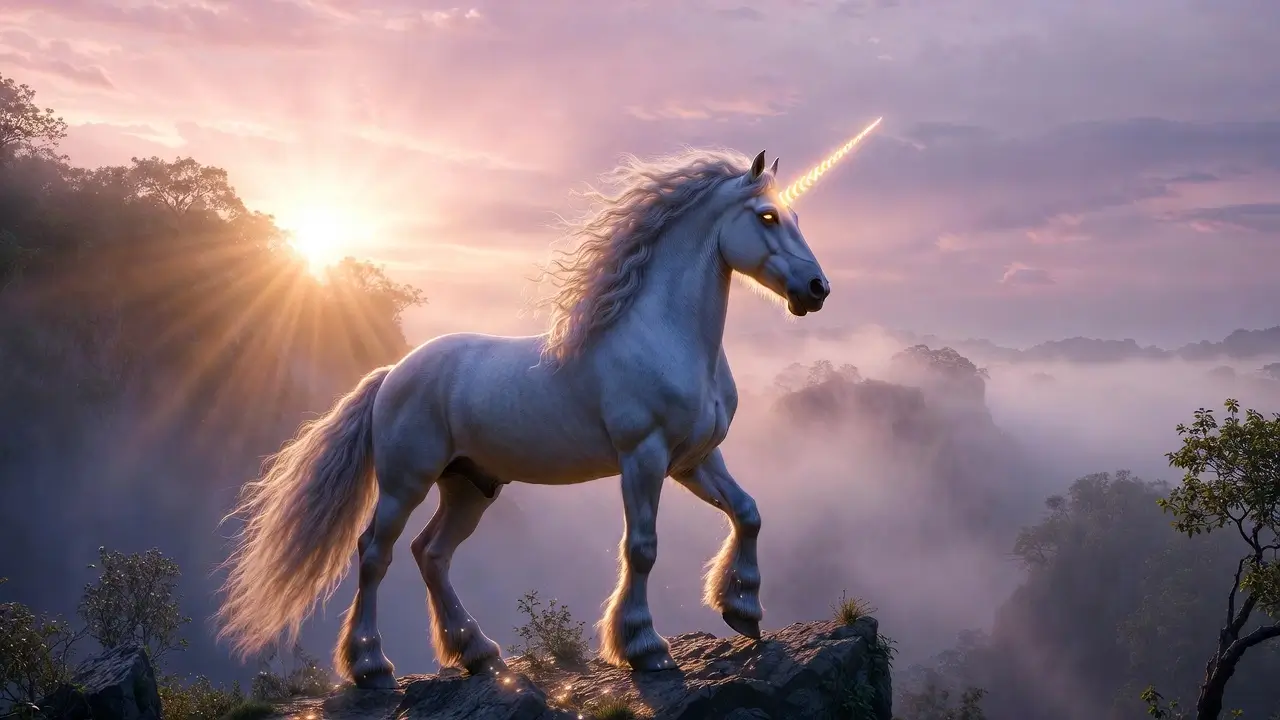
Unicorns have captivated the human imagination for centuries. From ancient seals and Gothic tapestries to the sacred halls of Saint Peter’s Basilica, whispers of one-horned creatures have appeared across time and continents. But are they truly mythical, or is there evidence that they might have existed? This article delves into the compelling journey of unicorns through history, art, and scripture, piecing together clues that suggest these legendary beasts may not be just a figment of fantasy.
Unicorns in Ancient Civilizations
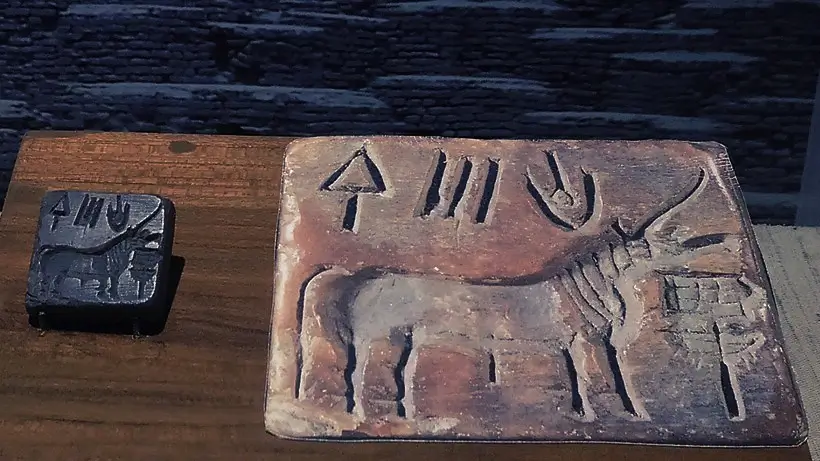
Indus Valley one-horned creature Seals
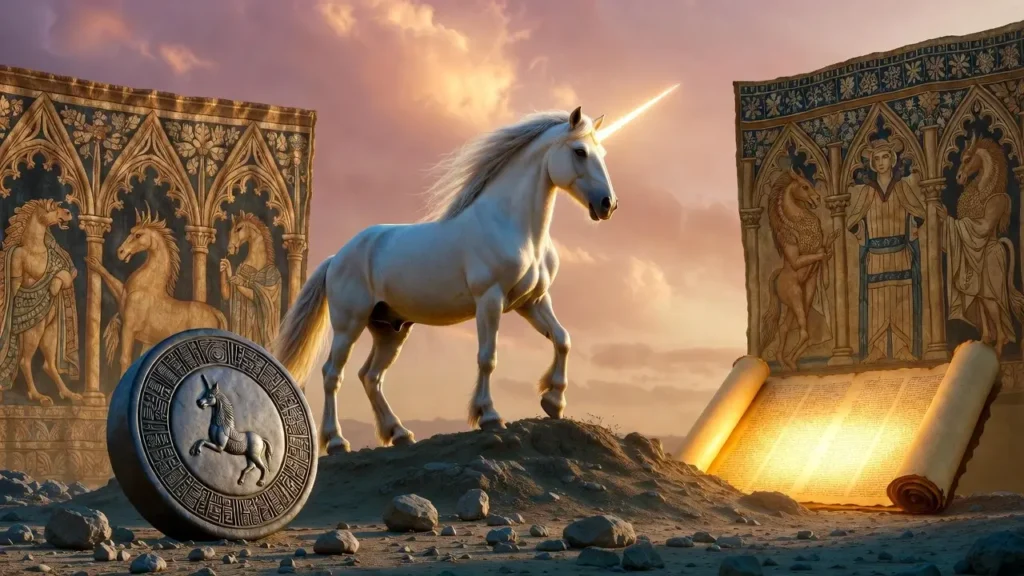
In the Indus Valley (c. 3300–1300 BCE), archaeologists uncovered seals depicting one-horned animals. These “unicorn seals” suggest that the people of this ancient civilization may have revered a single-horned creature, possibly as a symbol of power or purity. Whether these creatures were imagined or observed remains a mystery, but the consistent imagery is striking.
United Kingdom and Heraldic
It has also symbolized strength and nobility in heraldry. The United Kingdom’s royal coat of arms features a majestic one-horned animal chained beside a lion and is a visual reminder of the creature’s revered place in European culture. The chains symbolize taming of strength, while the horn represents purity and virtue.
Biblical and Religious Mentions
Numbers 23:22 (KJV)
The King James Bible mentions them: “God brought them out of Egypt; he hath as it were the strength of them.” Scholars debate the translation of “unicorn,” suggesting it may have originally referred to a wild ox. Yet, for centuries, readers imagined a real, powerful, horned creature.
Saint Peter’s Basilica, Vatican
Renaissance and medieval artists incorporated one horned animal into religious spaces. Saint Peter’s Basilica features unicorn imagery in tapestries and sculptures, symbolizing purity and the divine. Such representations cemented the unicorn as both sacred and mysterious, blending faith and legend.
Unicorns in Medieval and Renaissance Art
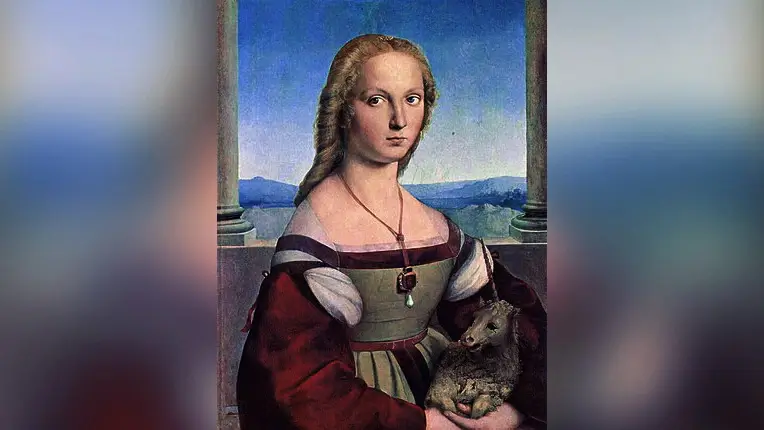
Late Gothic Tapestries (1495)
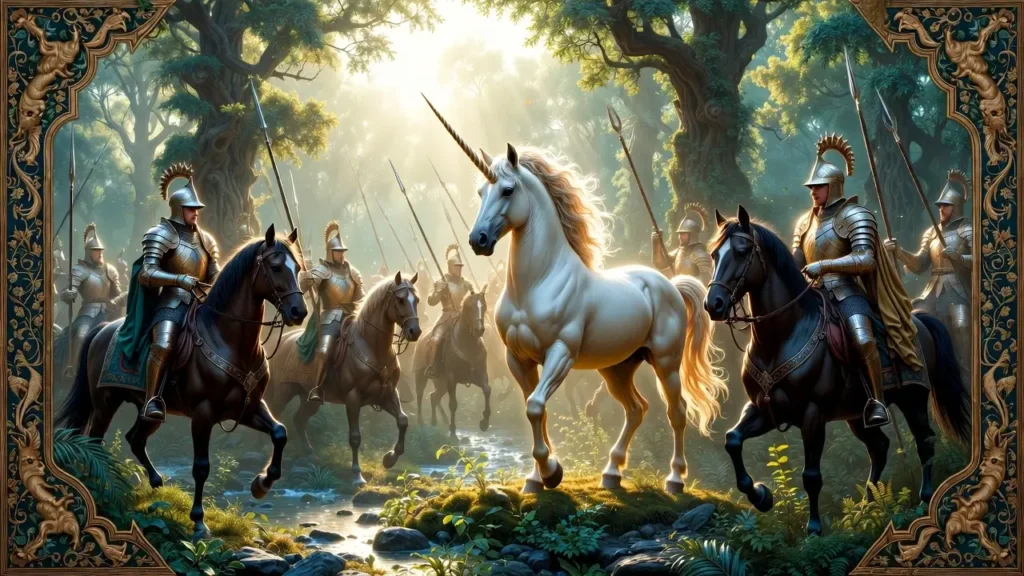
“The Hunt of the Unicorn,” a series of Flemish tapestries, depicts the hunt being chased, captured, and ultimately immortalized. Artists during the late Gothic period celebrated them as a real, almost mystical animal. Its repeated presence in such elaborate works suggests that the idea of real unicorns persisted across Europe.
Noah’s Paint (1570)
In 16th-century art, they appeared in paintings inspired by biblical narratives. The “Noah’s Paint” from 1570 includes a one-horned creature among animals boarding the ark, implying that they were considered part of the natural order by some thinkers of the time.
The Science and Skepticism
Extinct: The Real Unicorns
Paleontologists point to creatures like Elasmotherium sibiricum, a massive rhinoceros from Siberia with a single large horn. Lived tens of thousands of years ago, it could explain some myths about these valuable creatures. Could early humans encounter a distant ancestor of this beast and record it as magical?
Myth vs. Observation
While there is no concrete evidence of horse-like unicorns roaming forests today, ancient records, seals, and fossils suggest that one-horned creatures, real or imagined, have inspired humans for millennia.
Why Unicorns Captivate Us Today
- Symbol of Purity and Strength: Across cultures, unicorns represent virtues humans admire.
- Mystical Storytelling: From tapestries to modern videos, it feeds our love for wonder.
- Connection to History: It links ancient civilizations, medieval beliefs, and religious symbolism in a single narrative.
Conclusion
They occupy the delicate line between myth and reality. Ancient seals, Gothic tapestries, biblical references, and even extinct species all feed the possibility that humans have glimpsed or imagined one-horned creatures for thousands of years. Whether literal or symbolic, they continue to captivate, reminding us that sometimes, the power of belief can be as strong as the reality it seeks to describe.
Find More:https://sasokay.com/walk-for-peace-2300-miles-compassion/
FAQ About Unicorns
Did One-horned mythical creatures really exist?
Evidence points to ancient one-horned animals and rich cultural symbolism. Literal horse-like, they remain unproven.
Why does the Bible mention One-horned mythical creatures?
Translation from ancient Hebrew likely referred to strong wild oxen. Over time, they entered English translations, sparking legend.
Are One-horned mythical creatures found in modern science?
Modern science has not discovered live unicorns. Fossils like Elasmotherium hint at extinct one-horned beasts that may have inspired myths.
Why are one-horned creatures in art and heraldry?
They symbolize purity, power, nobility, and ideals admired across cultures and eras.
Any Suggestions, Feedback, or Information, Please: Contact Us
Find More:
- The Unicorn in History – Britannica Encyclopediahttps://www.britannica.com/topic/unicorn?utm_source=chatgpt.com