Introduction: Humanity At A Crossroads Of Time And Space
Uncovering the profound truth about human existence requires courage, curiosity, and honesty. From ancient civilizations gazing at the stars to modern scientists decoding genetic sequences, humans have always asked the same enduring questions. Who are we? Why are we here? Are we alone? And why does life feel shorter now, even with advanced medicine?
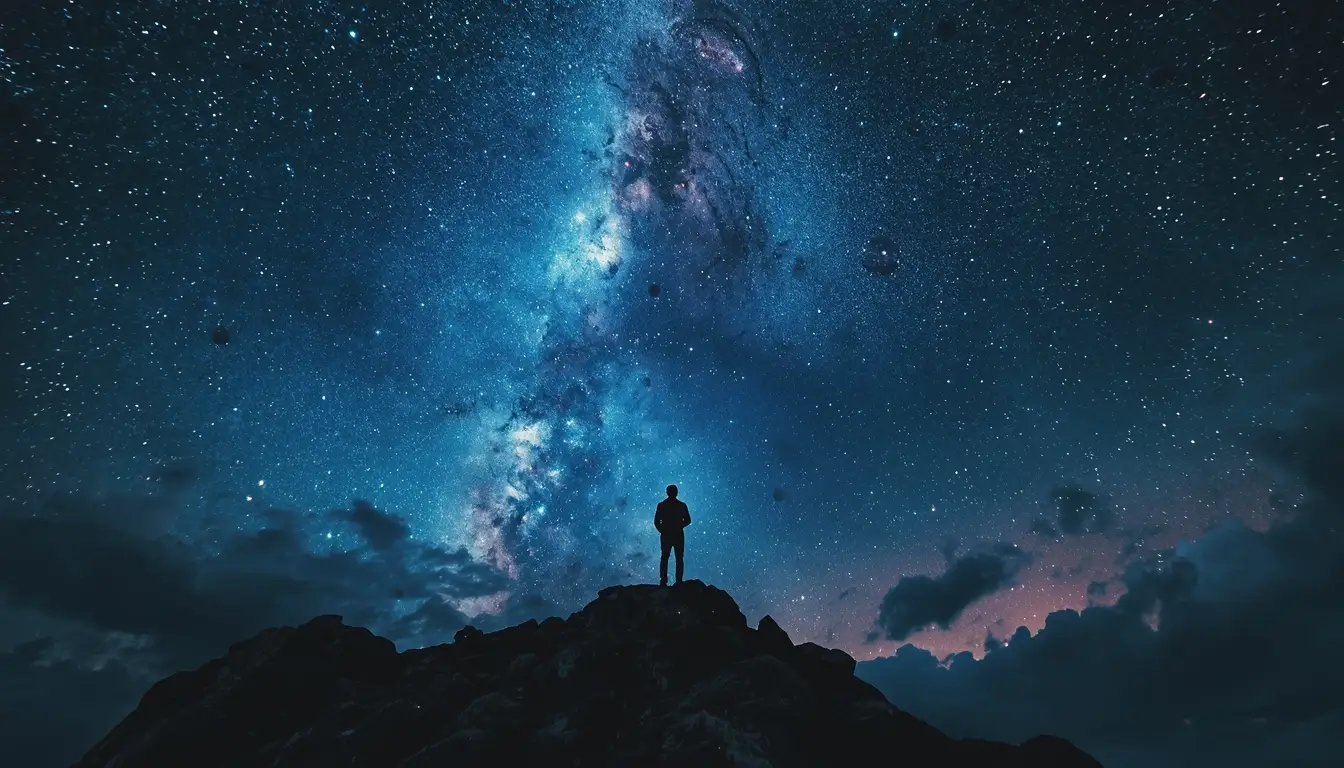
Standing at the edge of cosmic loneliness, many people experience a deep sense of wonder mixed with unease. The night sky stretches endlessly above us, filled with silent galaxies and distant suns. Despite the unimaginable scale of the universe, no confirmed signal from another intelligent civilization has reached Earth. This silence fuels curiosity, fear, and philosophical reflection across cultures and generations.
At the same time, modern humans face a different mystery closer to home. Despite technological breakthroughs, average lifespans feel fragile, mental strain grows, and chronic illness rises. This contradiction invites a deeper investigation into biology, environment, evolution, and meaning.
This article explores humanity through a clear and structured lens, examining what defines us, whether we share the universe with others, why longevity feels threatened, and how connection gives life purpose. Each section builds understanding without overlap, ensuring clarity while maintaining depth.
Are We Truly Alone In The Vast Universe?
The Scale Of Cosmic Possibility
Scientists estimate that the Milky Way alone contains more than 100 billion stars, many surrounded by planets. Across the observable universe, galaxies number in the billions. Given such vastness, the idea that Earth hosts the only intelligent life seems improbable.
Astronomer Frank Drake introduced the Drake Equation to estimate how many civilizations might exist. Even conservative assumptions suggest intelligent life should arise elsewhere. Yet, humanity has received no verified message, signal, or artifact indicating contact.
Understanding The Fermi Paradox
This contradiction forms the Fermi Paradox. If intelligent life is common, why is the universe silent? Several explanations exist. Civilizations may self-destruct before mastering interstellar communication. Others may exist, but choose silence. Vast distances and time scales may also prevent overlap between civilizations.
Projects like SETI continue scanning space for radio signals, while telescopes identify exoplanets with life-supporting conditions. Each discovery narrows uncertainty, yet the silence remains.
Emotional Impact Of Cosmic Isolation
The possibility of solitude affects humanity deeply. Some feel insignificant within the universe, while others feel uniquely responsible for preserving consciousness and life. This emotional response shapes philosophy, art, and ethics, influencing how humans treat each other and their planet.
Decoding The Human Species: What Truly Defines Humanity
Biological Origins And Evolutionary Path
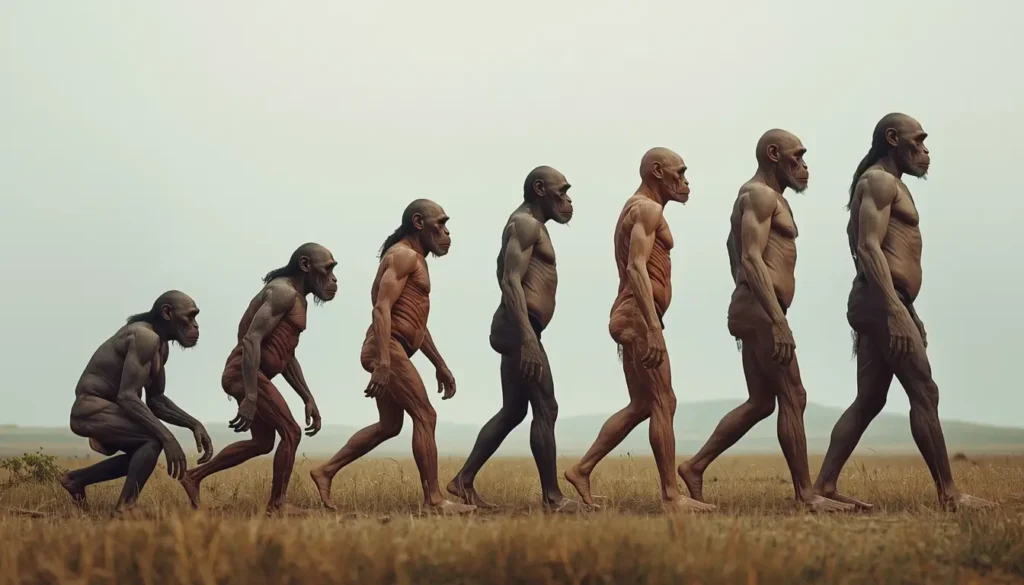
Humans belong to Homo sapiens, emerging roughly 300,000 years ago in Africa. Genetic evidence confirms shared ancestry with primates, yet humans developed distinct abilities that reshaped survival itself.
Language And Symbolic Thought
Language sets humans apart more than any physical trait. Through grammar and symbolism, humans communicate abstract ideas, preserve knowledge, and create shared realities. Culture, science, law, and morality depend on this linguistic foundation.
Imagination And Abstract Reasoning
Humans think beyond the present moment. We imagine futures, invent systems, and explore morality. Mathematics, philosophy, and storytelling exist entirely within the mind, yet influence real-world behavior profoundly.
Technology As Human Extension
From stone tools to digital networks, technology extends human capacity. Unlike other species, humans reshape environments intentionally. This symbiosis between biology and innovation defines modern humanity.
Large-Scale Cooperation
Humans cooperate with strangers using shared beliefs, institutions, and rules. This ability enabled cities, economies, and global systems, allowing survival beyond physical strength alone.
The Longevity Paradox: Separating Myth From Reality
Ancient Claims Of Extreme Lifespans
Ancient texts often describe individuals living for hundreds of years. These accounts raise questions about why modern lifespans appear shorter.
Archaeological Evidence And Reality
Skeletal remains reveal a different story. Most ancient humans died before forty due to disease, injury, and scarcity. Few reached old age, contradicting legendary accounts.
Symbolism And Calendar Differences
Some ancient cultures measured time differently, using lunar cycles instead of solar years. Symbolic numbers also conveyed spiritual meaning rather than biological fact.
Biological Lifespan Limits
Scientific research shows cellular aging restricts human longevity. DNA damage, protein breakdown, and telomere shortening create a natural upper boundary near 120 years.

Modern Medicine Versus Natural Aging
Medical Progress And Survival Rates
Vaccines, antibiotics, surgery, and diagnostics prevent early deaths. More individuals now reach old age than at any time in history.
Lifestyle Mismatch And Disease
Modern environments differ drastically from those humans evolved within. Processed foods, inactivity, and chronic stress disrupt metabolism and accelerate degeneration.
Chronic Conditions Replace Infections
Heart disease, cancer, diabetes, and neurodegeneration dominate mortality statistics. These conditions develop slowly, influenced by long-term habits and environments.
Environmental Factors Shaping Health And Decline
Air Quality And Longevity
Pollution triggers inflammation, respiratory illness, and cardiovascular damage. Urban exposure shortens lifespan significantly.
Water Safety And Chemical Exposure
Contaminants accumulate within tissues, disrupting hormones and cellular processes.
Food Systems And Nutritional Change
Modern diets contain refined sugars, artificial additives, and altered fats. These changes promote obesity and systemic inflammation.
Emerging Environmental Concerns
Electromagnetic exposure represents a new variable. While research continues, long-term effects remain uncertain.
The Stress Epidemic And Accelerated Aging
Chronic Stress Responses
Continuous psychological strain elevates cortisol levels, weakening immunity and accelerating cellular aging.
Sleep Disruption And Repair Failure
Artificial lighting and screen exposure impair restorative sleep, affecting nearly every bodily system.
Loneliness And Social Fragmentation
Isolation increases mortality risk comparably to smoking. Humans require connection for emotional and physical health.
Mental Health And Physical Decline
Depression and anxiety create inflammatory responses that degrade long-term health outcomes.
Evolutionary Biology: Limits And Potential
Reproductive Prioritization
Evolution favors reproduction over longevity. Aging accelerates once reproductive success is complete.
Genetic Variation And Adaptation
Different populations evolved under distinct conditions, influencing modern health responses.
Cellular Senescence And Aging
Aging cells release inflammatory signals, contributing to systemic decline.
DNA Repair Limitations
Repair mechanisms weaken over time, allowing damage accumulation despite healthy behaviors.
Technology And Human Enhancement: Looking Ahead
Genetic Editing Possibilities
CRISPR offers disease prevention potential, though ethical and safety concerns persist.
Artificial Intelligence In Medicine
AI enhances diagnostics, treatment precision, and preventive care.
Regenerative Medicine Breakthroughs
Stem cells and tissue engineering promise organ repair and functional restoration.
Nanotechnology And Preventive Health
Future medical nanodevices may maintain cellular integrity continuously.
The Search For Meaning In Human Existence
Spiritual Perspectives
Belief systems offer purpose, comfort, and moral guidance beyond scientific explanation.
Philosophical Inquiry
Questions of consciousness and free will define human introspection.
Scientific Wonder And Responsibility
Discovery expands understanding while increasing ethical responsibility.
Creativity And Legacy
Art, music, and literature preserve human experience across generations.
Community And Connection: The Heart Of Human Fulfillment
Relationships And Longevity
Strong social bonds correlate with longer, healthier lives.
Purposeful Contribution
Meaningful work improves immune function and emotional resilience.
Intergenerational Wisdom
Connections across age groups preserve continuity and insight.
Cultural Identity And Belonging
Shared rituals and traditions satisfy fundamental human needs.
Conclusion: Embracing Humanity In A Silent Universe
The mysteries surrounding existence, longevity, and cosmic solitude may never be fully resolved. Yet, seeking understanding enriches life itself. Whether humanity stands alone or among countless civilizations, responsibility remains unchanged.
Modern challenges reflect rapid environmental and social transformation. Awareness empowers better choices, enabling longer, healthier lives within biological limits.
Humanity continues evolving through exploration, innovation, and reflection. Each generation shapes the next chapter of this ongoing journey.
Life’s value lies not in duration alone, but in connection, meaning, and contribution. Through compassion, knowledge, and shared experience, humans transcend individual mortality, weaving continuity across time and space.

Find More About The US: https://sasokay.com/human-roles-evolution-8-powerful-truths/
Are Humans Really Alone In The Universe?
Current scientific evidence does not confirm the existence of intelligent extraterrestrial life, yet the immense size of the universe strongly suggests that life could exist elsewhere. Scientists continue to explore planets with conditions similar to those on Earth, while advanced telescopes analyze atmospheric signals that may indicate biological activity. The lack of contact may result from vast distances, limited technology, or differences in the timing of civilizations rather than true isolation.
Why Do Ancient Texts Describe Longer Lifespans?
Ancient records often served symbolic, spiritual, or cultural purposes rather than scientific documentation. Many civilizations measured time differently, sometimes using lunar cycles instead of solar years. Additionally, long lifespans frequently represented wisdom, legacy, or divine favor rather than literal biological age. Physical evidence from archaeology consistently shows shorter average lifespans in ancient populations.
What Factors Limit The Maximum Human Lifespan?
Human longevity faces biological boundaries rooted in cellular aging. Over time, DNA damage accumulates, cells lose their ability to divide effectively, and repair mechanisms weaken. While healthy habits slow aging, they cannot fully override these fundamental biological processes, which appear to cap lifespan near 120 years.
Can Lifestyle Changes Truly Improve Longevity?
Yes, daily habits significantly influence healthspan. Balanced nutrition, regular physical activity, quality sleep, stress management, and strong social connections reduce chronic inflammation and disease risk. These factors help individuals reach their natural lifespan potential while improving overall well-being.
Will Future Technology Redefine Human Aging?
Emerging innovations such as regenerative medicine, artificial intelligence, and precision healthcare may dramatically improve the quality of life during aging. Although complete elimination of aging remains uncertain, future technology will likely shift focus toward prolonged vitality rather than lifespan alone.
Find More Depth :
- NASA – Exoplanet Exploration(Scientists estimate that our galaxy contains billions of stars, many with potentially habitable planets)https://science.nasa.gov/exoplanets/
Any Suggestions, Feedback, or Information, Please: Contact Us