Introduction: The Gentle Sound That Sparks Curiosity
Cats are among the most captivating animals to share our homes. They move with elegance, observe their surroundings with sharp awareness, and often seem to live by rules we do not fully understand. Despite their quiet nature, cats communicate constantly through body language, facial expressions, and sound. One sound in particular has puzzled humans for centuries.
The soft, rhythmic vibration known as purring feels comforting and familiar. Many people associate it with happiness, warmth, and relaxation. Yet cats also purr in moments of fear, pain, stress, and even during childbirth. This surprising behavior raises an important question. Why do cats purr in such different situations?
To answer this, we must look beyond assumptions and explore biology, behavior, psychology, and evolution. When viewed together, these perspectives reveal that purring is not simple at all. It is a powerful and intelligent behavior that supports survival, communication, and healing.
Understanding Cat Purring Using A MECE Framework
To explain purring clearly and completely, this article follows a structured approach. Each section explores a distinct reason why they purr, without overlap or gaps.
The science of purring can be divided into four core areas
- Physical mechanics of sound production
- Emotional and behavioral communication
- Healing and self-regulation
- Social bonding with other cats and humans
Together, these sections provide a complete and logical explanation of this fascinating behavior.
The Biological Mechanics Behind Cat Purring
How The Brain And Larynx Work Together
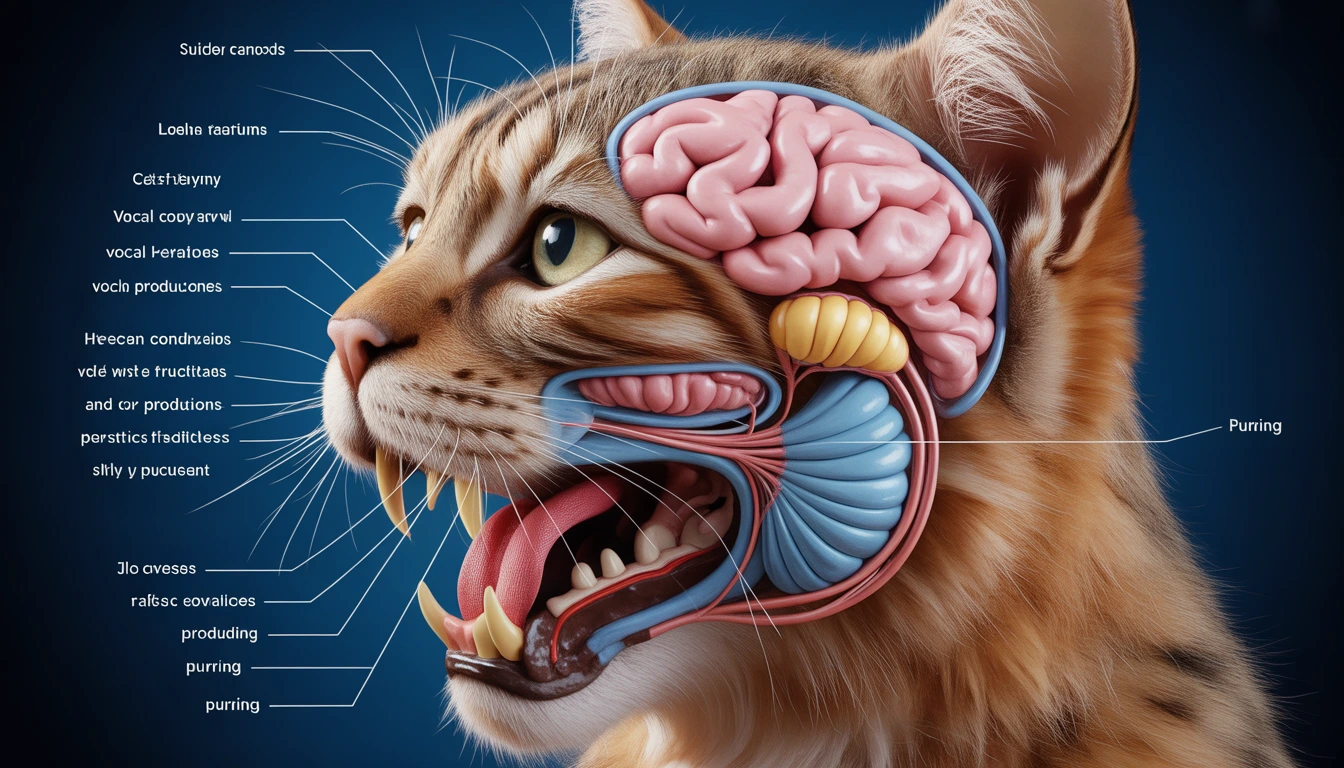
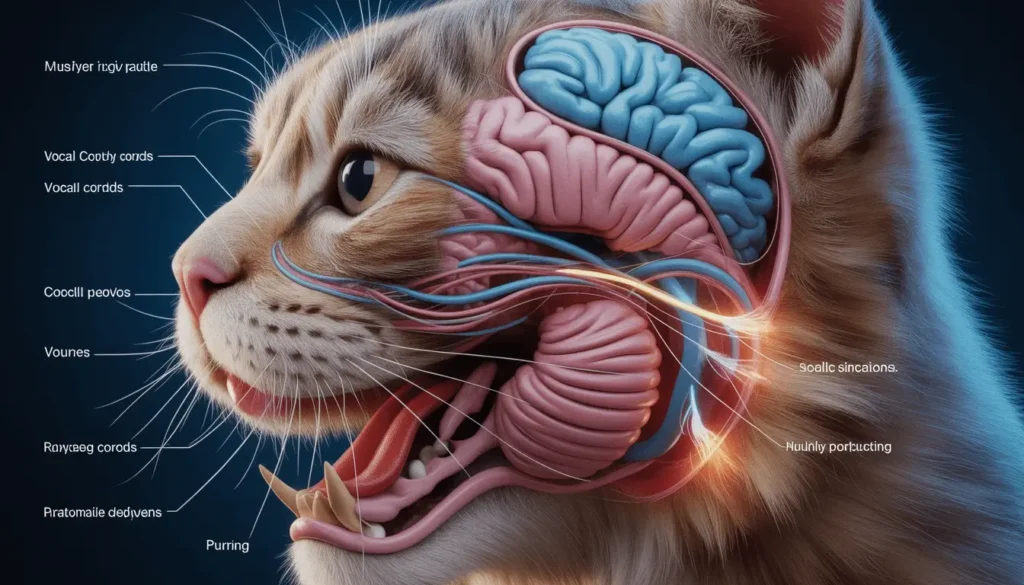
Purring begins in the brain. When a cat initiates a purr, its brain sends repeated signals to the muscles of the larynx. The larynx controls airflow through the throat. As the muscles tighten and relax rapidly, the vocal cords vibrate.
What makes purring unique is that this vibration occurs during both inhaling and exhaling. This creates a continuous, steady sound instead of short bursts. The frequency of this vibration remains low and consistent, which is important for its physical effects.
Why Only Some of Them Can Purr
Most domestic pets can purr, along with certain wild cats such as cheetahs and cougars. However, large them, like lions and tigers, cannot purr in the same way. Their throat structures support roaring instead.
This difference shows that purring evolved as a specialized trait rather than a universal feline ability.
Purring As A Form Of Emotional Communication
Signaling Comfort And Safety
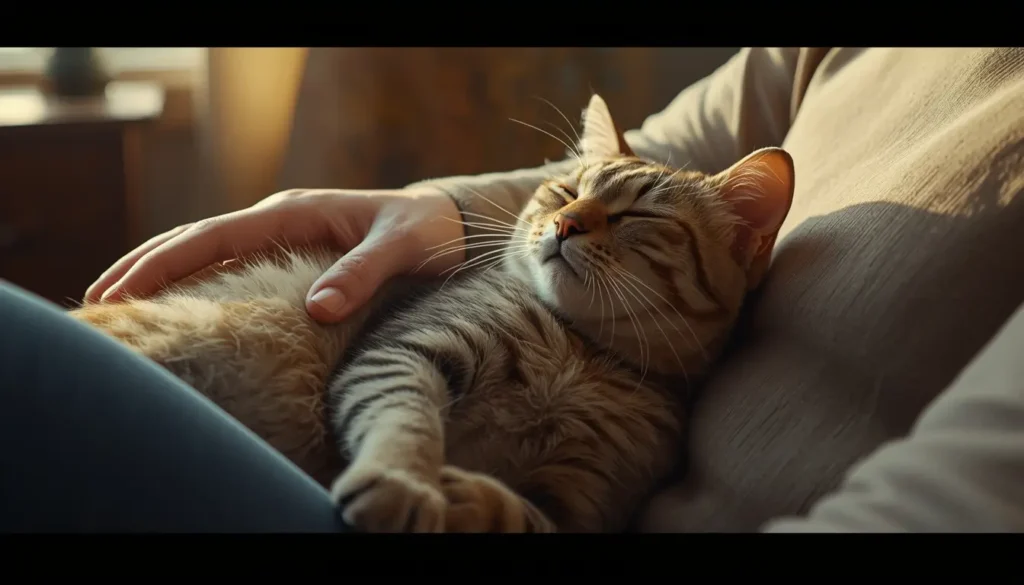
They often purr when they feel relaxed, safe, and content. You may notice purring during gentle petting, resting, or cuddling. In these moments, purring signals trust and emotional security. This sound strengthens bonds with humans and reassures kittens and other cats. It helps maintain peaceful interactions and reinforces positive experiences.
Expressing Stress And Vulnerability
Purring does not always indicate happiness. They also purr during stressful events such as illness, injury, or veterinary visits. In these situations, purring acts as a coping mechanism.
The rhythmic vibration helps they stay calm and manage discomfort. It may also signal vulnerability, encouraging care from others without drawing attention from threats.
Early Communication In Kittens
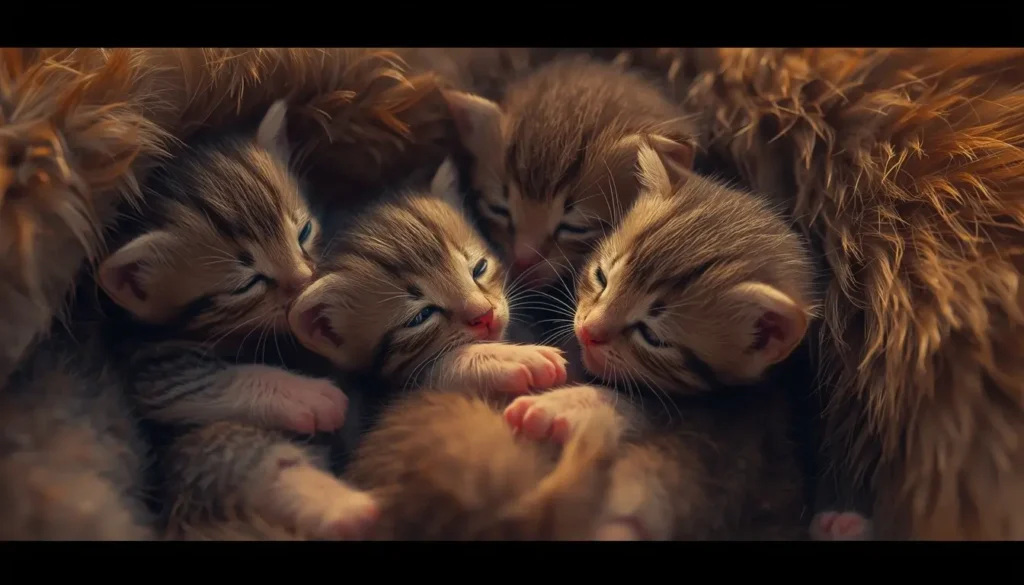
Kittens begin purring within days of birth. This allows them to communicate with their mother while remaining quiet. The mother uses purring to guide and comfort her young.
This early use of purring highlights its importance as a survival tool.
The Psychological Meaning Of Purring
Purring supports emotional regulation. When they are faced with uncertainty or fear, the steady rhythm helps restore internal balance. This response resembles how humans use deep breathing to reduce anxiety.
Those who experienced stress early in life may purr more often as adults. In these cases, purring reflects emotional resilience rather than a sign of weakness.
The Healing Power Of Purring
Healing Frequencies And Physical Benefits
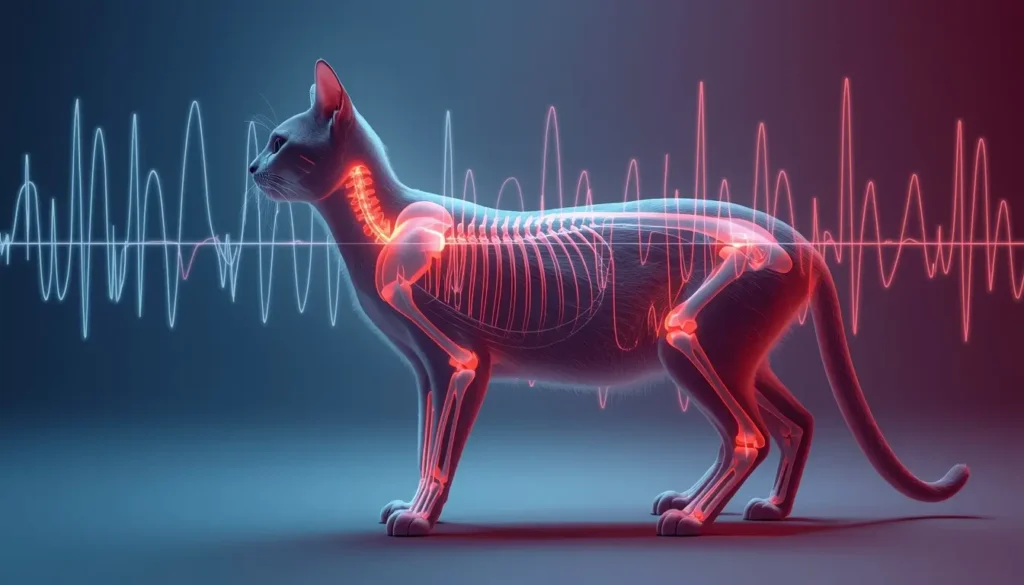
Research suggests that purring frequencies range between 25 and 150 hertz. These frequencies are linked to bone strength, muscle repair, and pain relief in medical studies.
For them, purring may help maintain bone density and muscle tone, even during long periods of rest. It may also speed recovery from injuries and reduce inflammation.
Pain Relief And Stress Reduction
Purring may trigger the release of endorphins. These natural chemicals reduce pain and promote relaxation. This explains why they often purr while injured or unwell. Rather than signaling comfort, purring in these moments reflects a process of self-soothing and recovery.
Purring In Aging
As they age, joint stiffness and chronic discomfort become more common. Older them often purr more frequently, especially while resting.
The vibration may help reduce pain and maintain mobility. While purring does not replace medical treatment, it may support comfort and well-being.
Owners should observe context to distinguish comfort purring from signs of illness.
Environmental Influences On Purring
Their surroundings strongly affect purring behavior. Calm and stable homes encourage relaxed purring. Loud or unpredictable environments may trigger purring as a stress response.
Temperature also matters. They often purr when warm and comfortable. Social factors play a role as well. In multi-cat homes, purring may help prevent conflict and signal peaceful intent.
Differences Between Purring And Other Cat Sounds
They use many vocal signals. Meowing often demands attention. Hissing signals fear. Growling warns others to stay away. Purring differs because it reflects internal states rather than commands. It communicates emotion and physical condition through rhythm rather than volume. This makes purring one of the most complex feline sounds.
Social Bonding Through Purring
Strengthening Human Cat Relationships
When it purrs around a human, it creates an emotional connection. The sound often encourages affection and care, reinforcing trust over time. They feel secure and tend to purr more openly, deepening their bond with caregivers.
Influencing Human Behavior
Purring can influence human responses. Many people feel calmer when hearing it. Some of them adjust their purr tone to gain attention or food. This adaptability shows how they use purring strategically in social interactions.
Find more about the Human:https://sasokay.com/the-human-mystery-are-we-alone/
Evolutionary Advantages Of Purring
Purring likely evolved as a multi-purpose adaptation. It allowed quiet communication, supported healing, and strengthened social bonds. These benefits improved survival and reproduction. Over time, purring became deeply embedded in feline biology and behavior.
Scientific Challenges In Studying Purring
Studying purring is difficult. Cats rarely purr on command, and laboratory settings can alter behavior. Most research relies on observation and sound analysis. As technology improves, scientists may better understand how purring affects internal systems.
Common Myths About Cat Purring
Many people believe they purr only when happy. Others assume all purring sounds the same. In reality, purring varies in meaning, intensity, and purpose. Context matters more than sound alone.
Why Understanding Purring Has Real Value
Learning the science behind purring improves caregiving. It helps people respond with empathy rather than assumptions. Understanding purring encourages responsible pet ownership, emotional awareness, and better health monitoring.
How Owners Can Better Interpret Purring In Daily Life
Understanding purring becomes truly useful when owners apply this knowledge in everyday situations. Instead of reacting only to the sound, it is important to observe the full context. Body posture, ear position, tail movement, appetite, and energy levels all provide clues about what the purr means at that moment.
A relaxed them usually shows loose muscles, slow blinking, and a comfortable posture, along with purring. In contrast, a stressed or unwell it may purr while hiding, refusing food, or showing stiffness. In such cases, purring acts as a signal for attention rather than reassurance.
Owners should also notice changes in purring patterns. A sudden increase or decrease in purring can indicate physical or emotional changes. Regular interaction helps build familiarity with an individual cat’s habits, making it easier to recognize unusual behavior.
By listening carefully and observing thoughtfully, owners can respond with appropriate care. This approach strengthens trust, improves well-being, and ensures that purring becomes a meaningful form of communication rather than a misunderstood sound.
Conclusion: Listening To The Language Of Purring
Purring is far more than a pleasant sound. It is a communication tool, a healing mechanism, and a bridge between species. By understanding its science, we gain insight into a cat’s emotional and physical world.
Listening carefully allows us to respond with care and respect. In doing so, we strengthen our bond with one of the most fascinating companions in the animal world.
Find the more about the Cats: Encyclopaedia Britannica – Why Do Cats Purrhttps://www.britannica.com/science/Why-Do-Cats-Purr?utm_source=chatgpt.com
Any Suggestions, Feedback, or Information, Please Contact Us
Why Do Cats Purr When They Are Hurt?
They purr when hurt to soothe themselves and manage pain through calming vibrations and chemical release.
Can They Control When They Purr?
They can initiate purring voluntarily, though it also occurs automatically in response to physical or emotional states.
Do all of them Purr The Same Way?
No, purring varies by individual, situation, and species.
Is Purring Always A Sign Of Happiness?
No, purring can also signal stress, pain, or vulnerability depending on context.
Can Purring Affect Human Well-Being?
Many people experience reduced stress and emotional comfort when hearing them purr.
Can Purring Help Cats Heal Faster?
Yes, research suggests that the vibrations created by purring may stimulate tissue regeneration, strengthen bones, and reduce inflammation. Cats often purr while resting, which may help the body recover more efficiently from injuries or stress.
Why Do Some of Them Purr Loudly While Others Purr Softly?
Purring volume and tone vary by cat personality, size, and context. Some purr loudly to get attention, while others purr softly as a calming mechanism or a sign of comfort. Even within the same it, the pitch can change depending on their emotional or physical state.
Do they Purr Only Around Humans?
No, they purr around humans, other cats, and sometimes even other animals. Kittens use purring to communicate with their mother, while adults may purr around humans or other pets to signal peace, comfort, or submission.
Can Purring Indicate Illness?
Yes, it may purr when in pain or unwell. Observing body language, appetite, and activity levels is essential. Excessive or unusual purring combined with other symptoms may indicate a need for veterinary care.
How Can I Respond When My Pet Purrs?
Respond by observing context. Pet gently if the cat is relaxed, or give space if it seems anxious or uncomfortable. Listening carefully strengthens trust and deepens your bond.