Introduction
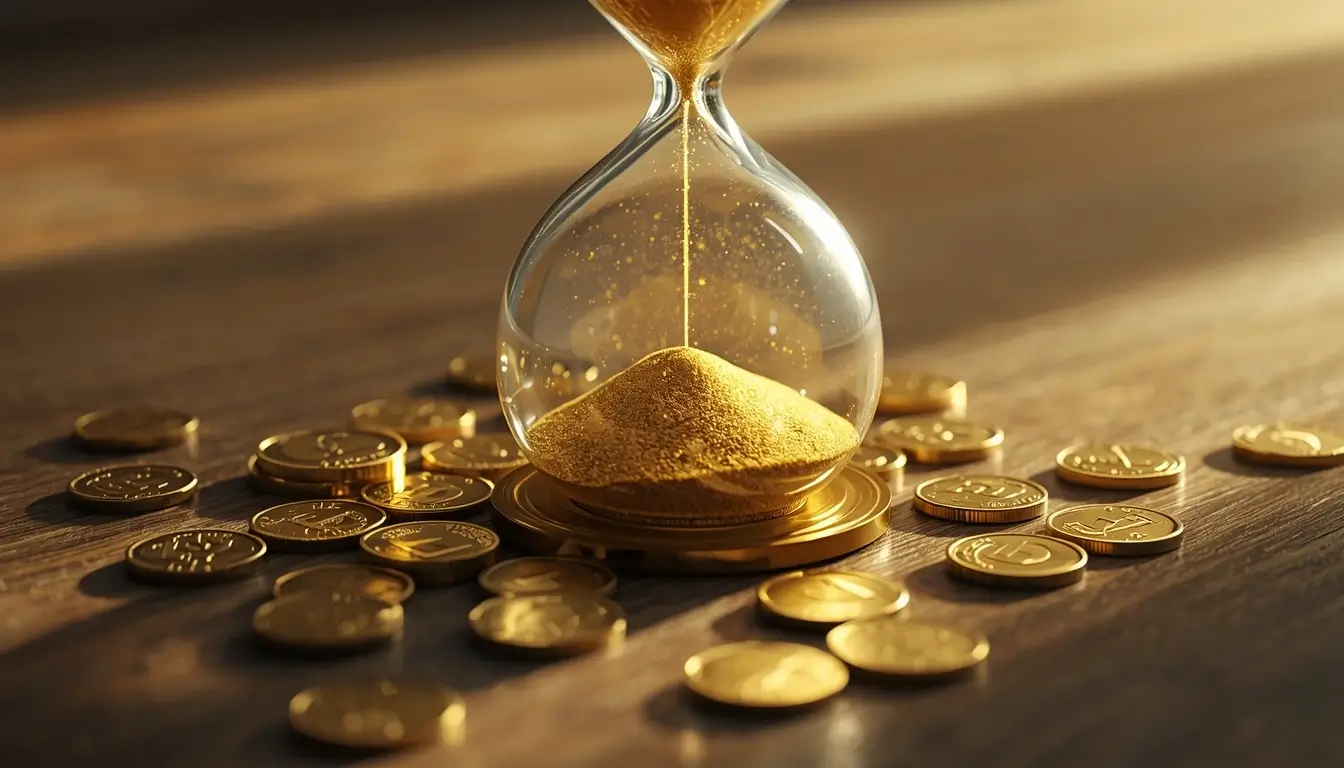
Discover why time holds infinite value compared to gold and how every second shapes our existence. This article delves into the profound truth about time’s irreplaceable nature and offers guidance on treasuring each moment wisely. While gold can be earned, stored, and multiplied, time flows relentlessly, shaping our lives in ways wealth never can. Understanding this reality can transform how we live, work, and connect with others.

The Clock Never Stops Ticking For Anyone
Have you ever watched sand slip through your fingers at the beach? Each grain mirrors the seconds, minutes, and hours that pass through our lives, never to return. While many chase wealth and material possessions, they often forget that time is the only currency we can never earn back.
Think about yesterday for a moment. Can you replay last week or relive your favorite birthday party from three years ago? The answer is no. Time moves forward relentlessly, shaping every experience and decision in your life. Ignoring it or taking it for granted is a choice, yet it is one we cannot reverse.
Why Does Time Hold More Power Than Any Treasure?
Ancient wisdom reminds us that time surpasses gold in value, but few grasp the full meaning of this truth. Gold waits patiently in vaults, and new wealth is created daily. Time, however, is finite and nonrenewable. No billionaire can purchase an extra hour, and no poor person can sell unused minutes.
Consider how we treat these resources differently. People guard gold against theft, yet squander time scrolling through social media or worrying over things beyond control. Time lost cannot be reclaimed, yet it is often undervalued compared to material wealth.

The Mathematics Of A Limited Life
The average human life spans roughly 79 years, which equates to about 28,835 days or 692,040 hours. Subtract sleep, work, commuting, and essential activities, and the hours we control shrink dramatically.
This scarcity makes time our most precious resource. Young people often feel like they have unlimited hours, but life progresses faster than expected. Childhood rushes into adolescence, adulthood arrives suddenly, and old age approaches quietly. Every phase passes whether we are prepared or not.
How Our Perception Changes Everything
Have you noticed how childhood summers seemed endless while adult years blur quickly? This occurs because our brains measure time relative to total life experience. One year represents a larger fraction of a ten-year-old’s life than a fifty-year-old’s.
Novel experiences expand our perception of time, while routine activities compress it. Stress and anxiety also warp time perception, causing us to lose precious hours dwelling on the past or worrying about the future. The present moment is the only time we can act, and it is often overlooked.
Converting Time Into Something Meaningful
Every moment presents a choice about how we invest our temporal wealth. Unlike money, time demands immediate decisions. You cannot save unused hours for later. Investing time intentionally transforms ordinary experiences into meaningful achievements.
- Relationships: Friendships and family bonds grow through shared time and presence. Love thrives on attention and care. No wealth can replace the moments spent connecting with others.
- Learning and Growth: Mastery in any skill, academic progress, or physical fitness requires sustained time investment. Achievements emerge through steady, deliberate effort.
- Creative and Social Impact: Artistic works, businesses, or social initiatives require significant temporal commitment. Meaningful contributions are rarely instantaneous.
Making Every Moment Count Without Burning Out
Recognizing time’s value should inspire thoughtful action, not stress. Balance matters. Rest restores energy, and quiet reflection enables better choices. Even daydreaming can spark creativity.
The key is conscious choice. Watching a movie with friends is meaningful when chosen deliberately, but becomes wasteful if done out of boredom. Playing games or scrolling online can develop skills if balanced mindfully or steal time if excessive.
Clarify priorities to align daily actions with what truly matters. Identify meaningful experiences, relationships, skills, and contributions. Once clear, you can shape your life intentionally, rather than letting time slip by unnoticed.
Practical Steps To Treasure Your Time
- Track Your Hours: Record daily activities to identify where time is spent.
- Set Priorities: Focus on activities that align with long-term goals and values.
- Limit Distractions: Reduce time wasted on mindless scrolling or unnecessary tasks.
- Invest in Relationships: Schedule quality time with loved ones.
- Pursue Growth: Dedicate consistent effort to learning and skill-building.
- Balance Work And Rest: Protect energy and prevent burnout.
- Practice Mindfulness: Engage fully in present moments to expand perceived time.

Conclusion: Mastering The Art Of Valuing Time
As you reflect on the insights shared throughout this article, consider the profound reality that every second of your life is irreplaceable. Unlike material wealth, time cannot be stored, duplicated, or purchased. Once a moment passes, it is gone forever. Recognizing this simple yet profound truth is the first step toward living a purposeful life.
Time is the framework upon which all achievements, experiences, and relationships are built. Wealth can provide comfort, status, or fleeting happiness, but it cannot create memories, cultivate deep connections, or grant mastery of skills. Only time allows you to experience love, explore creativity, pursue knowledge, and leave a lasting impact on the world.
Consider your daily routine. How much of it is spent reacting to external demands, and how much is invested intentionally in meaningful pursuits? Most people live in autopilot mode, drifting from one obligation to the next without pause or reflection. While survival and responsibility are important, failing to consciously allocate time toward growth, joy, and contribution leaves life feeling shallow and unfulfilled.
Investing your time wisely requires clarity. Start by identifying what matters most to you. What experiences would you regret missing if you reached the end of your life tomorrow? Which relationships deserve more attention than they currently receive? What skills, knowledge, or personal projects have you postponed that could transform your life if pursued consistently? Answering these questions allows you to realign your daily actions with your highest priorities.
The power of deliberate choice cannot be overstated. Each day presents dozens, even hundreds, of small decisions about how to spend your hours. Deciding to dedicate time to a loved one, to practice a skill, or to engage in reflection may seem minor in isolation. Yet these consistent, intentional choices compound into a life rich with fulfillment, accomplishment, and meaningful memories. Conversely, defaulting to passive consumption of time and endless scrolling, distractions, or avoidance erodes your most valuable resource without your awareness.
Equally important is understanding the role of balance. Valuing hours does not mean filling every minute with productivity. Rest, reflection, and recreation are essential components of a well-lived life. Taking Duration to relax, connect with nature, or enjoy a hobby replenishes mental, emotional, and physical energy, allowing you to engage more fully in the moments that matter most. Even moments of quiet or daydreaming can ignite creativity, problem-solving, and insight that enrich your future endeavors.
This also teaches perspective. As you age, you may notice that years seem to accelerate. Early life experiences expand our sense of time because each new challenge, adventure, or lesson creates lasting memories. In contrast, repetitive routines compress perceived time, making weeks and months pass almost unnoticed. Recognizing this pattern can inspire you to seek novelty, curiosity, and continuous growth throughout life. Travel, learning new skills, volunteering, or exploring creative projects are all ways to expand your lived experience and savor the richness of each moment.
Furthermore, consider the social dimension of Interval. Relationships flourish not because of material gifts, but through shared experiences, attention, and presence. Friends, family members, and loved ones remember moments spent together far longer than any purchased luxury. This is devoted to connection builds trust, intimacy, and enduring bonds that no amount of gold can replicate. Prioritizing these interactions fosters a life filled with meaning, compassion, and joy.
Time is also the medium through which personal achievement manifests. Learning, creating, and contributing all require sustained temporal investment. Mastery in any domain, whether art, science, business, or athletics, is the result of thousands of hours of deliberate practice. Innovation, social impact, and leadership emerge not overnight, but through persistent, focused action over years. By respecting the value of time, you allow yourself to accomplish more than you ever imagined possible.
Finally, embracing the finite nature of time fosters gratitude and mindfulness. Awareness that each moment is precious encourages presence, appreciation, and engagement with the world as it exists now. Worrying excessively about the past or future diminishes the only reality we truly control and the present. By savoring the now, we enhance the quality of our experiences, deepen relationships, and leave an enduring imprint on the lives of others.
In conclusion, your Moment is your most valuable possession. Unlike gold, it cannot be reclaimed, multiplied, or stored. Every second invested wisely shapes your identity, relationships, achievements, and happiness. Begin today by evaluating your priorities, making intentional choices, and pursuing experiences that align with your deepest values. Respect your temporal wealth, cultivate meaningful connections, and dedicate yourself to growth, creativity, and contribution. In doing so, you will not only make the most of your life but also leave a legacy that transcends the passage of Hours.
Find More About the:https://sasokay.com/money-vs-power-which-rules/
How can students manage their Moment effectively while balancing school, extracurricular activities, and social?
Students can manage Hours efficiently by creating structured schedules that allocate specific hours for study, hobbies, and social interaction. Using planners or digital calendars helps track assignments, deadlines, and commitments. Learning to prioritize and occasionally say no to nonessential activities allows for deeper focus and engagement in important areas.
Why do some days feel longer than others?
The subjective experience of This is influenced by novelty and engagement. Days filled with new experiences, challenges, or strong emotions feel longer because the brain encodes more distinct memories. Routine or monotonous days seem to pass quickly since the mind consolidates similar experiences. Introducing variety and new experiences can make life feel fuller and more meaningful.
Does our perception of this change as we age?
Yes. This seems to accelerate with age because each year represents a smaller proportion of this. Adults often settle into routines with fewer novel experiences, which compresses perceived Interval. Maintaining curiosity, learning new skills, and seeking fresh experiences can slow down subjective Duration perception and enrich life’s texture.
Can technology help save Hours, or does it cause more distractions?
Technology can be a powerful tool for saving Hours when used intentionally for productivity, communication, or learning. Conversely, it can become a Duration drain through endless social media scrolling, notifications, and distractions. The key is deliberate and mindful use, setting boundaries, disabling unnecessary notifications, and focusing on meaningful activities.
How do different cultures view this differently, and what can we learn from them?
Some cultures emphasize linear intervals, punctuality, and schedules, while others focus on relational or cyclical perceptions of this, prioritizing connection and natural rhythms. Understanding these differences can encourage flexible thinking, help manage expectations, and improve personal and professional interactions across cultural contexts.
Find More :
- Time Management Techniques(When discussing practical ways to organize daily schedules or manage study/work-life balance)https://www.apa.org/topics/time-management
Any Suggestions, Feedback, or Information, Please: Contact Us