Table of Contents
Introduction
When the world began, there were no mirrors, no fashion magazines, no cameras, no followers, no filters. There was only survival With Beauty.
(Important) (This article is the 6 in a 10-part series celebrating the world’s most admired, unique, and beautiful ladies. Each article in this series highlights the traits and stories that make them captivating and memorable. All images used are credited to their respective owners, who generously provide them for free use. Be sure to read, share, comment, and rank your favorites. Who do you think is the most beautiful? The links to the rest of the series are included in the conclusion section, so you can continue exploring all ten features.)
So how did beauty begin?
It did not appear as makeup, hairstyles, or trending outfits. Beauty started as instinct. Early humans did not sit around defining attraction. They reacted to it. Strong posture meant health. Clear skin meant vitality. Bright eyes suggested energy. These signs mattered because survival mattered.
Over time, those survival signals transformed into something deeper and admiration. Then preference. Then desire. And slowly, without anyone planning it, beauty became part of culture.
Beauty Began With Survival
In early human societies, physical traits linked directly to strength and health naturally stood out. Symmetry in the face suggested genetic stability. Good skin suggested wellness. The youth suggested fertility.

These were not romantic ideas. They were practical. But something interesting happened. Practical signals turned emotional. People began to associate certain appearances with comfort, security, and future stability. Attraction became layered. It was no longer just instinct. It became a preference. That was the first shift.
When Society Entered The Picture
As civilizations formed, survival became less urgent for many communities. Now people had time. And with time came aesthetics.

Ancient cultures celebrated different ideals,
- Some valued fuller figures as a symbol of abundance.
- Others admired athletic builds that reflected strength.
- Some prized pale skin as a sign of high status.
- Others admired sun-kissed skin that suggested outdoor vitality.
Beauty became a social marker. It signaled wealth. Power. Status. Identity. It began to vary across regions.
The Rise Of Western Beauty Influence
Fast forward to modern America. Beauty stopped being local. It became broadcast.

Hollywood changed everything.
- Film stars were no longer just entertainers, and they became global reference points. The golden era of cinema elevated figures like Marilyn Monroe, whose look defined femininity for an entire generation.
- Decades later, supermodels such as Cindy Crawford helped define the “runway ideal” as tall, toned, symmetrical, and camera-ready.
The key shift? Repetition
When millions see the same face type repeatedly, it becomes the benchmark. Not because it is objectively superior.But because it is familiar.
Pop Culture As A Beauty Factory
Pop culture does not just reflect taste. It manufactures it. Magazines, music videos, TV shows, and now social media platforms amplify specific aesthetics. Once algorithms entered the scene, trends accelerated.

The digital era rewards:
- Visual symmetry
- Clear skin
- Strong facial structure
- Photogenic confidence
Influencers now hold similar cultural power once reserved for movie stars. And American audiences consume this content daily.
The result?
Standards feel universal, even though they are constantly evolving.
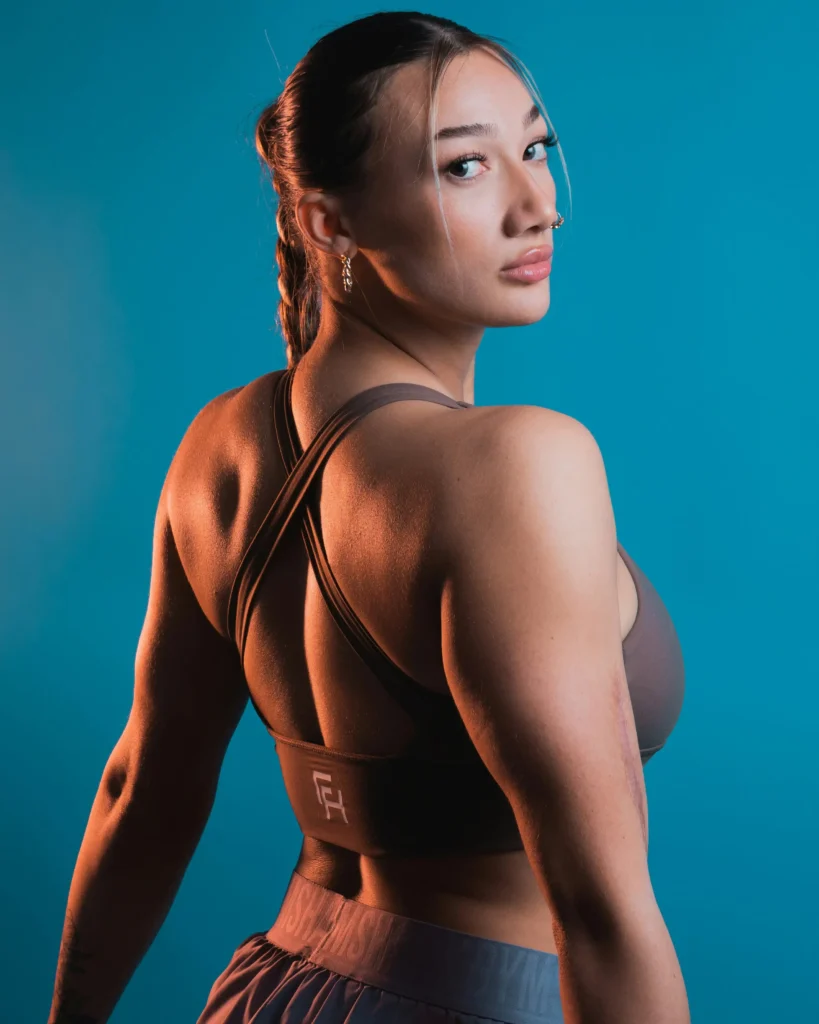
How Perception Shapes Desire
Here is where it gets interesting. Attraction is not only biological. It is psychological.
Three forces shape perception,
- Familiarity – We prefer what we see often. Repeated exposure builds comfort.
- Social Validation – When others admire someone, we assume that person has value.
- Confidence Signals – Posture, voice, and energy influence attraction just as much as physical traits.
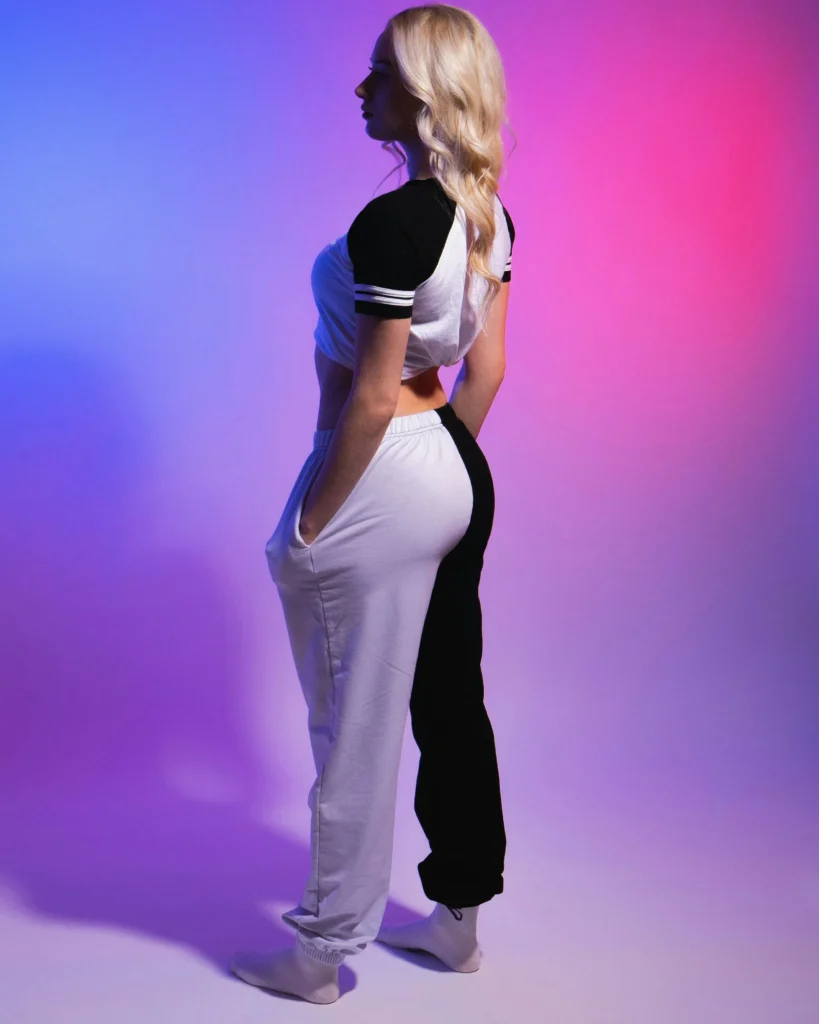
Confidence multiplies perceived beauty. This explains why some women captivate instantly. It is not only about appearance. It is present.
Why Beauty Feels Instant
The brain processes faces in milliseconds. It scans symmetry, expressions, and movement. But the reaction feels emotional.
It feels magical.
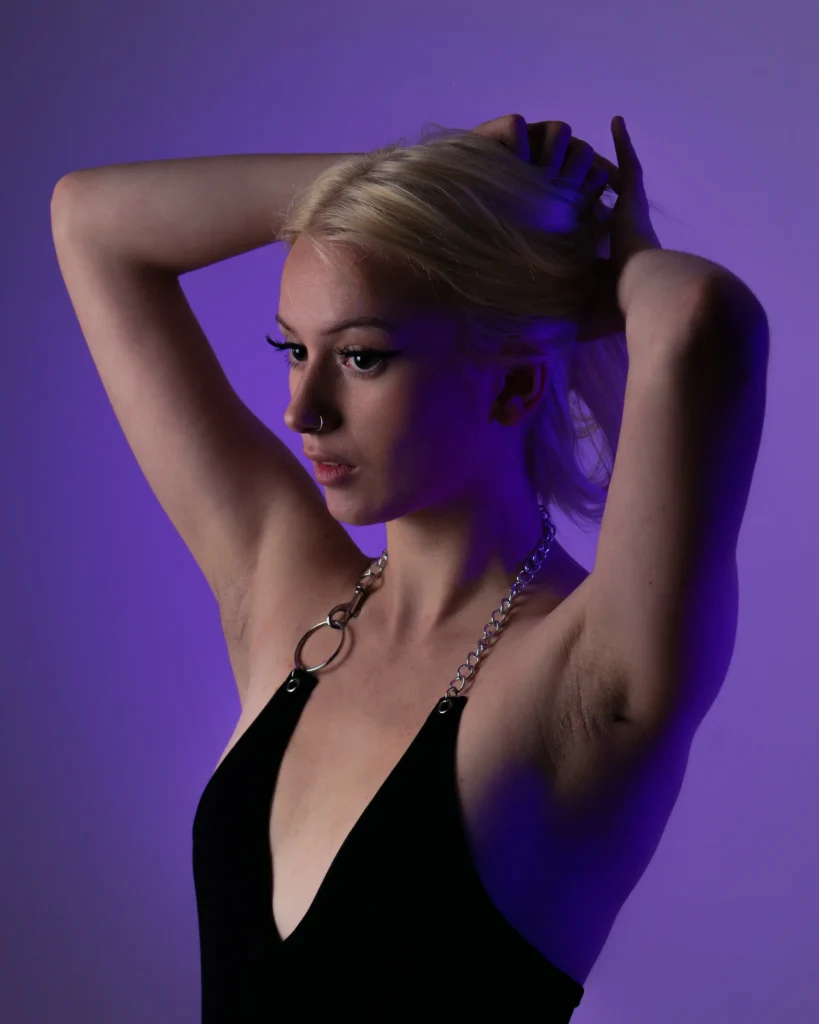
Yet it is a combination of,
- Biology
- Culture
- Memory
- Personal experience
Beauty feels spontaneous. In reality, it is layered.
Article Series on Beauty
- Part 1-https://sasokay.com/why-women-are-beautiful-and-confident-part-01/
- Part 2-https://sasokay.com/bold-black-women-inspire-style-culture-02/
- part 3-https://sasokay.com/powerful-reasons-people-get-tattoos-part-3/
- Part 4-https://sasokay.com/crush-stress-with-smart-exercise-part-4/
- Part 5-https://sasokay.com/bold-black-women-empower-fashion-and-culture-05/
- Part 7-https://sasokay.com/bold-black-women-fashion-culture-part-07/
- Part 8-https://www.sasokay.com/how-culture-shapes-beauty-and-desire-part-08/
- Part 9-https://www.sasokay.com/exercise-smart-strength-energy-with-beauties-09/
- Part 10 –https://www.sasokay.com/powerful-tattoo-designs-that-inspire-women-10/
The Foundation Is Set
By the time modern America formed its media culture, the blueprint was already there,
- Biology created the base.
- Society shaped it.
- The media amplified it.
- Perception personalized it.
But this is only half the story. Because beauty does not just exist, it evolves. And that evolution is happening faster now than ever before.
Did these Beautiful ladies’ standards exist at the beginning of the world?
Not as rules. Early attraction focused on survival signals like health and strength.
Why do these standards change over time?
Because culture, economy, and media influence what society values at different moments.
Is attraction purely biological?
No. Biology starts it, but culture and psychology shape how we interpret it.
Any Suggestions, Feedback, or Information, Please: Contact Us
Find More:
- Supports cultural heritage and global diversity discussion and global cultural diversity(https://www.unesco.org/)