
Table of Contents
Introduction
One ordinary evening, a young worker checks a bank balance and feels uneasy. The number looks safe, but something feels wrong. Prices are rising. Dreams feel expensive. Time feels fast. A quiet question appears: is saving money enough, or should money be made to grow?

This moment is where investment begins
Investment is not a complex game reserved for Wall Street experts. It is a structured, learnable process that transforms zero knowledge into confident action. In the modern financial era, understanding investment is no longer optional. It is a survival skill, a growth engine, and a mindset shift from consumption to creation
This article explains Financial planning from the ground up, shows how to start from zero to one, explores the best investment options in the USA, analyzes risks and rewards, and presents practically proven strategies through real-life stories that keep you reading.
What Is Investment?
This is the act of allocating money, time, or resources into assets with the expectation of future benefit. Instead of letting money sit idle, investors put capital to work so it can grow or generate income.
This always answers one core question: how can today’s money become tomorrow’s opportunity?
There are two main outcomes investors seek:
- Capital Growth: the increase in value of an asset over time
- Income Growth: steady cash flow from interest, dividends, or rent
This is a bridge between present effort and future freedom.

The Zero-To-One Investment Mindset
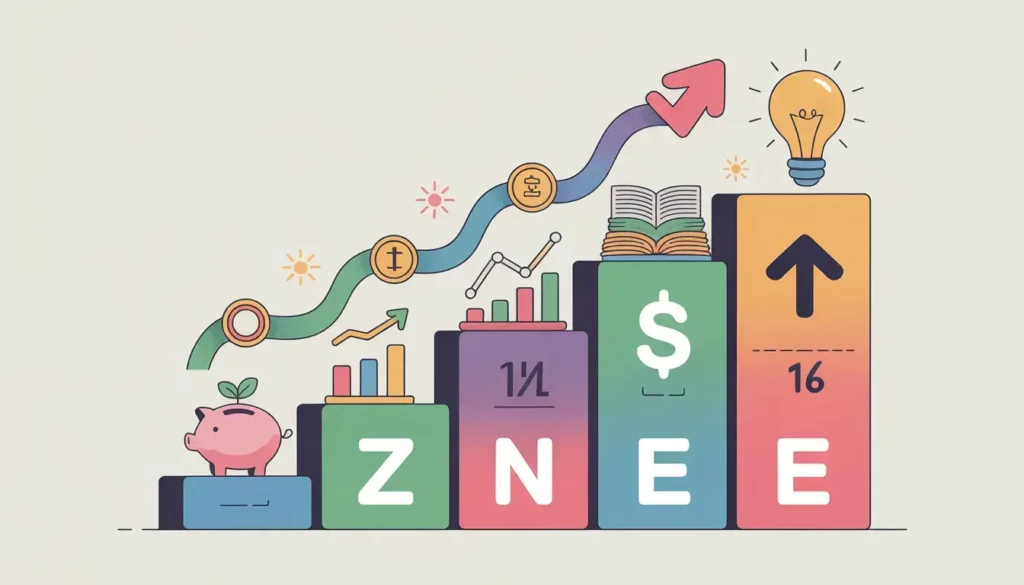
Starting from zero does not mean starting poor. It means starting without structure, knowledge, or strategy.
Zero-to-one investing follows a simple progression:
- Zero clarity becomes financial awareness
- Zero action becomes a consistent habit
- Zero confidence becomes informed decision-making
The first allocation is not money. It is understanding.
Why Investment Matters More Than Ever Today
Modern life creates financial pressure silently. Inflation reduces purchasing power. Jobs evolve or disappear. Medical and education costs rise steadily.
Investment helps individuals:
- Protect money from inflation
- Build long-term wealth
- Create passive income
- Achieve financial independence
- Reduce dependence on a single income source
This is not about getting rich quickly. It is about not becoming poor slowly.
Types Of Investors In The USA
Private Investors
Typical goals include:
- Retirement security
- Buying property
- Funding education
- Creating passive income
Private investors succeed when they follow discipline, not speculation.
Institutional And Other Investors
These include pension funds, insurance companies, hedge funds, and asset managers.
Their role:
- Large-scale capital allocation
- Market stability and liquidity
- Long-term economic growth
Savings, Stocks, And Yield-Based Investments Explained
Savings Investments
Savings accounts and certificates of deposit provide safety and liquidity.
Best for:
- Emergency funds
- Short-term goals
Limitation:
- Low returns often fail to beat inflation
Savings protect money. They do not multiply it.
Stock Investments
Stocks represent ownership in companies. When companies grow, investors benefit.
Benefits:
- High long-term growth
- Dividend income
- Liquidity
Risks:
- Market volatility
- Emotional decision-making
Stocks reward patience more than intelligence.
Yield-Based Investments
Yield-focused this prioritize income over price growth.
Examples:
- Bonds
- Dividend stocks
- Real estate investment trusts
They suit investors seeking predictable cash flow.
Understanding Yield In Simple Terms
Yield measures how much income is produced relative to its cost.
Higher yield can mean:
- Higher income
- Higher risk
Smart investors balance yield with stability.
Investment Risk And Its Hidden Advantages
Types Of Investment Risk
Risk is uncertainty, not danger.
Common risks include:
- Market fluctuations
- Inflation erosion
- Liquidity limitations
- Credit default
Avoiding all risk often guarantees failure to grow.
Advantages Of Accepting Calculated Risk
Risk is uncertainty, not danger.
Common risks include:
- Market fluctuations
- Inflation erosion
- Liquidity limitations
- Credit default
Avoiding all risk often guarantees failure to grow.
Risk enables:
- Higher returns
- Faster capital growth
- Portfolio diversification
The goal is not to eliminate risk but to manage it intelligently.
Capital Growth Vs Income Growth
Capital Growth
Capital growth occurs when asset value increases.
Examples:
- Stock appreciation
- Property price increase
Best for:
- Long-term investors
- Younger investors
Income Growth
Income growth delivers regular cash flow.
Examples:
- Dividends
- Interest payments
Best for:
- Retirees
- Passive income seekers
Balanced portfolios use both.
Best Investment Plans In The USA
Retirement Investment Plans
Common options:
- 401(k) plans
- Individual Retirement Accounts
Advantages:
- Tax benefits
- Long-term compounding
- Employer matching
Index Funds And ETFs
Why they work:
- Low cost
- Broad diversification
- Proven long-term returns
Index funds quietly outperform most active strategies.
Real Estate Investments
Real estate provides income and appreciation.
Forms:
- Rental properties
- REITs
Real estate adds stability to portfolios.
Tax Considerations In Investment
Taxes shape real returns.
Key concepts:
- Capital gains tax
- Dividend tax
- Tax-deferred growth
Tax-efficient investing improves outcomes without increasing risk.
Psychological Factors That Decide Success or Failure

This is emotional before it is logical.
Common psychological traps:
- Panic selling during downturns
- Overconfidence during rallies
- Fear of missing out
- Loss aversion
Winning investors master behavior, not prediction.
Investment Strategies That Work In Real Life
Diversification Strategy
Diversification spreads risk.
Example:
- Stocks + bonds + real estate
Dollar-Cost Averaging
Investing fixed amounts regularly removes timing pressure.
Example:
- Monthly index fund allocation.
Long-Term Holding Strategy
Time magnifies returns.
Example:
- Holding quality assets for decades.
Compounding rewards patience brutally well.
A Story: From Zero to One Investor
A young professional earns a modest income. No financial background. No financial commitment. Only curiosity.
- Step one: Build a small emergency fund.
- Step two: learns basic principles.
- Step three: Start monthly index fund contributions.
- Step four: ignores market noise.
- Step five: reviews progress yearly.
Ten years later, investments quietly outgrow savings. Confidence replaces fear. Zero becomes one. One becomes many. This story repeats daily across the world.
Practical Investment Plan To Start Today
- Understand basic investment concepts
- Create a safety net
- Define goals clearly
- Choose diversified investments
- Invest consistently
- Stay patient
- Rebalance periodically
Consistency beats brilliance.
Conclusion
This is a journey from uncertainty to clarity, from zero to one, and from effort to freedom. In the modern financial era, the real risk is not investing poorly. It is not investing at all. Those who start early, stay consistent, and think long term give themselves a powerful advantage. Money grows quietly, time works steadily, and the future becomes negotiable.
Find out about the Insurances:https://sasokay.com/best-insurance-america/
What Is The Biggest Mistake New Investors Make?
Letting emotions control decisions instead of following a plan is the most common and costly mistake new investors make. Emotional reactions lead to panic selling during market downturns and reckless buying during market highs. Instead of treating Resource Allocation as long-term commitments, beginners often react to short-term market noise, which reduces returns and increases stress.
Why Do Emotions Have Such A Strong Impact on Investing?
Investing involves money, and money is deeply tied to security, identity, and future goals. Fear arises when markets fall because losses feel personal. Greed appears when prices rise quickly, and others seem to profit. Without emotional discipline, investors act impulsively rather than strategically, turning normal market movements into perceived threats or opportunities.
Is Timing the Market a Good Strategy for Beginners?
Market timing is rarely successful, especially for new investors. Predicting short-term price movements requires experience, data, and emotional control. Most beginners who attempt timing end up buying high and selling low. Long-term, consistent investing has historically outperformed frequent buying and selling.
How Important Is Having an Investment Plan?
A Wealth Deployment plan is essential. It defines goals, time horizon, risk tolerance, and asset allocation before money is invested. A plan removes guesswork and reduces emotional decision-making. Investors with a clear plan are more likely to stay invested during market volatility and achieve better long-term results.
Should Beginners Avoid Risk
Completely?
Avoiding all risk can be just as harmful as taking too much. Low-risk Wealth Deployment often fails to beat inflation, which slowly erodes purchasing power. Beginners should focus on managed risk through diversification rather than risk avoidance. Accepting moderate risk allows money to grow over time.
How Much Money Do You Need To Start Investing?
You do not need large amounts of money to start investing. Many platforms allow beginners to start with small, regular contributions. Starting early with small amounts is often more powerful than starting late with large sums due to compounding.
Are Stocks Too Risky for New Investors?
Stocks carry volatility, but they are not inherently unsuitable for beginners. Diversified investments such as index funds reduce individual stock risk. When held long term, stocks have historically provided strong returns despite short-term fluctuations.
How Long Should Beginners Stay Invested?
Beginners should think in years, not months. Short-term market movements are unpredictable, but long-term trends favor disciplined investors. The longer money stays invested, the more compounding works in the investor’s favor.
What Role Does Diversification Play In Risk Management?
Diversification spreads investments across asset classes, industries, and regions. This reduces the impact of poor performance from any single Asset Placement. Diversification does not eliminate risk, but it smooths returns and improves stability.
How Often Should A Portfolio Be Reviewed?
Portfolios should be reviewed periodically, not constantly. Reviewing once or twice a year is usually sufficient. Frequent monitoring can increase emotional reactions and lead to unnecessary changes.
Can Beginners Learn Investing Without a Finance Background?
Yes, investing does not require advanced financial education. Basic principles such as diversification, consistency, and patience are enough to start. Practical learning improves over time through experience and observation.
Find More about :https://www.theseus.fi/bitstream/handle/10024/908670/Parfenov_Stanislav.pdf?sequence=2
Any Suggestions, Feedback, or Information, Please: Contact Us